Male' Maldives: Six-time World Best Player of Futsal and Portuguese icon Ricardinho has urged Maldivian authorities to take immediate action to develop futsal infrastructure and systems in the country, following his appearance at last year’s Club Maldives Cup.
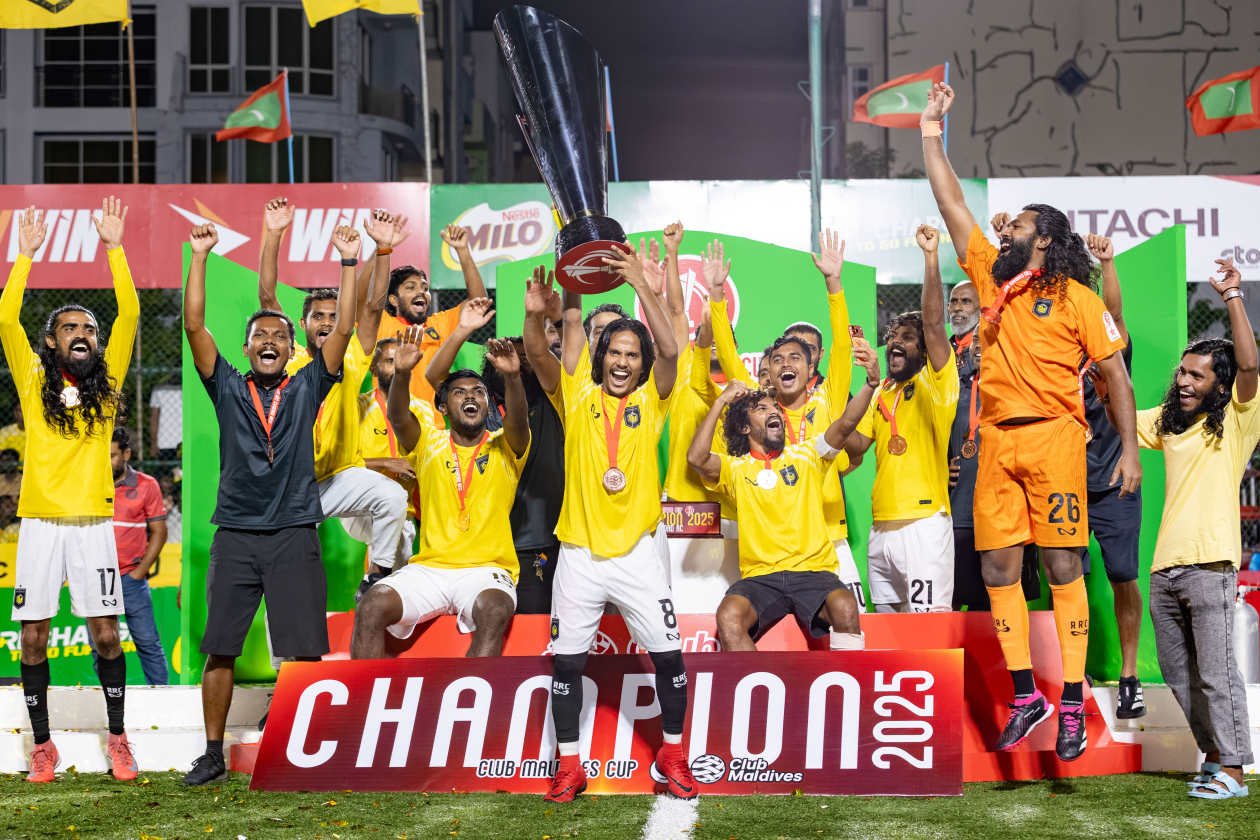
Ricardinho, widely regarded as one of the greatest futsal players in history, visited the Maldives in last year to represent Club HDC in the Club Maldives Cup, the oldest futsal competition in the country.
During an exclusive interview with Adhadhu Sports in last October, the global futsal star shared both praise and criticism regarding the current state of futsal in the Maldives, highlighting major structural shortcomings despite the country’s growing passion for the sport.
The Portuguese legend described the tournament as a “different experience,” pointing out that while it carried the name of futsal, many key elements of the sport were missing.
“Honestly, I thought it was a different experience, it has nothing to do with futsal, except for a few rules and the same number of players on the field,” Ricardinho said.
One of the strongest themes throughout the interview was his concern over the lack of proper futsal infrastructure in the Maldives.
Ricardinho stressed that genuine futsal development cannot happen without indoor facilities, qualified coaching systems, and structured youth academies.
“Without a futsal court, you can’t train futsal. Without investing in futsal academies for young players, you can’t develop future talent,” he stated.
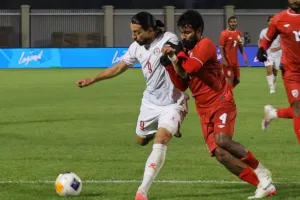
Ricardinho also outlined several issues he observed during his stay, including the use of outdoor artificial pitches, football boots instead of futsal shoes, the allowance of sliding tackles, and the absence of basic facilities such as locker rooms and bathrooms at venues.
“There’s no proper indoor court to play futsal. They play on artificial grass, sliding tackles are allowed, and there are no locker rooms or bathrooms for the teams. These are not the minimum conditions required for futsal,” he explained.
Despite the criticism, Ricardinho praised the natural talent and passion shown by Maldivian players. However, he emphasized that technical and tactical understanding of futsal remains limited due to the absence of structured development.
“The players have talent and potential, but they don’t have the knowledge of how to actually play futsal, tactics, training, futsal-specific technique, from ball control to off-ball movements. Real futsal requires specific and structured work,” he said.
He also highlighted the need for stronger discipline among players, particularly regarding punctuality, concentration during training, and commitment to team objectives.
Ricardinho revealed that his decision to visit the Maldives was driven by his personal mission to promote futsal worldwide. He said he hoped his presence would help decision-makers in the country better understand the sport’s potential.
“I accepted this challenge because I am an ambassador for futsal around the world. I know how much passion there is for the sport here in the Maldives,” he said.
The former world player of the year added that his discussions with local futsal enthusiasts focused on creating awareness and encouraging authorities to invest seriously in the game.
“I wanted to help the sport truly develop, but it wasn’t easy to get that message across,” he admitted.
While acknowledging that many local athletes balance full-time jobs alongside competition, Ricardinho rejected the idea that this prevents professionalism.
“Having a job is not an excuse for not being professional. Being professional depends on dedication and discipline,” he noted, while congratulating Maldivian players for their commitment and passion toward the sport.
The Portuguese star also called on Maldivian sports authorities to move beyond temporary solutions and establish a long-term development framework for futsal. He specifically urged the Ministry of Sports and the Football Association to prioritize indoor infrastructure and coaching education.
“My main message goes to the Ministry of Sports and the Federation: if you truly want to help futsal and make it grow, you urgently need to build an indoor futsal facility and invest in the development of coaches and players,” Ricardinho said.
He further stressed the importance of creating futsal academies for young players and bringing experienced international coaches to train local coaches.
“First, they should think about building an indoor futsal facility. Then focus on developing local coaches and creating academies for young players,” he added.
Ricardinho admitted that personally adapting to the Maldivian conditions was difficult, especially playing outdoors on artificial turf under rain and windy conditions while wearing football boots.
“I was invited to a futsal tournament, but futsal doesn’t really exist in the Maldives, only the name does,” he remarked jokingly.
Still, the Portuguese icon described the experience as enjoyable and memorable, praising the hospitality shown during his stay.
“I want to thank the club’s supporters for their kindness and support during my stay in the Maldives,” he said.
His comments arrive at a significant moment for Maldivian futsal. Earlier this year, the SAFF Futsal Championship was won by the Maldives national futsal team, who defeated every South Asian opponent to claim the inaugural regional title in January.
Despite that historic achievement, progress on promised futsal infrastructure projects has remained limited. Both the previous administration and the current government have pledged support for indoor futsal development, though no major facility projects have materialized so far.
Ricardinho believes the Maldives possesses enough talent and passion to become competitive internationally, but only if proper investment and long-term planning are implemented.
“For my visit to have really been worthwhile, the government must start creating proper conditions for futsal players to train, develop their talent, and compete properly,” he concluded.