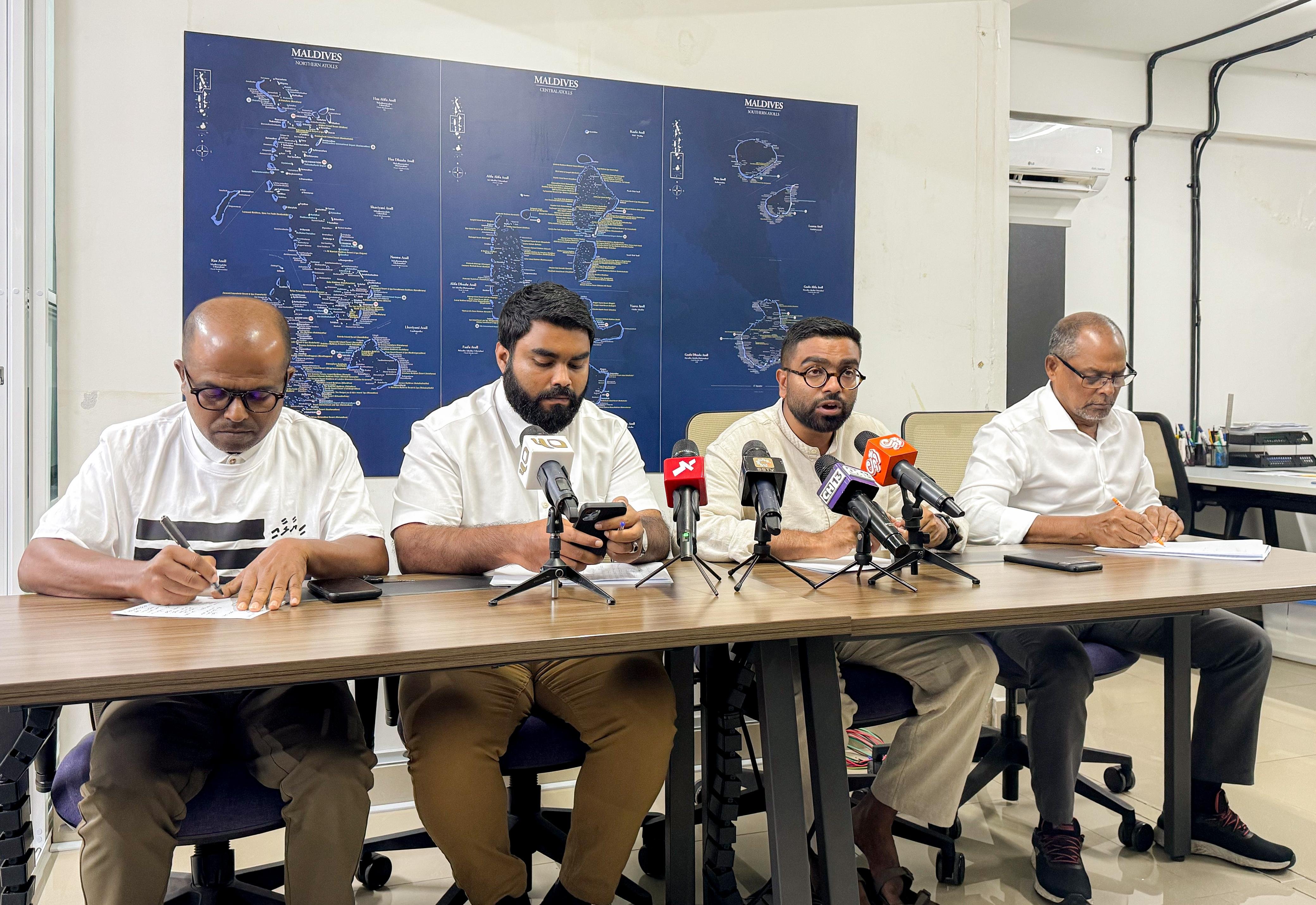
The Maldives Journalists Association (MJA) has rejected the "unconstitutional" Maldives Media and Broadcasting Regulation law ratified by President Mohamed Muizzu to limit freedom of expression.
In a press release, MJA said the association was "disheartened" by the government's decision to "continue down this disastrous path and ratify the Media Control Bill."
"The ratification is a serious blow to press freedom and freedom of expression in the Maldives. We condemn this transparent attempt to pave way for the Executive and Legislature to take full control of the media," it stated.
MJA said the new law was passed to intimidate journalists and force them into self-censorship. However, the association said journalists will not be intimidated.
"We stand in defiance of this law and will work jwith ournalists and civil society actors to explore all necessary avenues to challenge this unconstitutional law," MJA added.
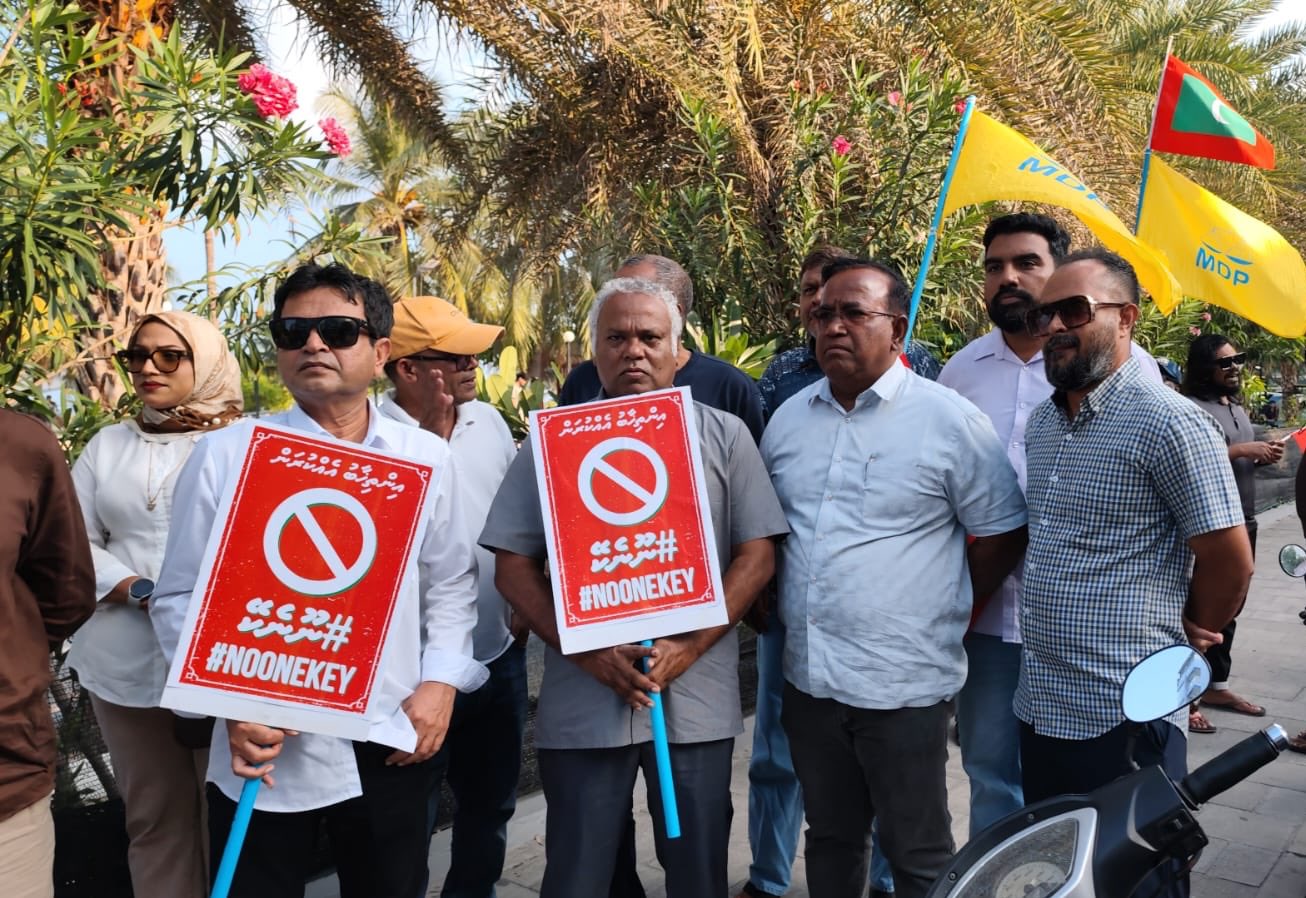
Muizzu ratified the media control bill today to limit freedom of expression and speech amid a disinformation campaign on social media following pressure to reject the draconian legislation.
The US embassy in Male' called on the government to uphold the right to freedom of expression and freedom of the press in a post on X immediately after the government-controlled parliament passed the bill on Tuesday.
Adhadhu understands that several other countries and international organizations have shared their concerns with the government.
The government exploited its supermajority in the parliament to push through the bill, which would control registered media and social media.
The Committee to Protect Journalists (CPJ) called on Muizzu to reject the bill and "uphold his pledge to protect media freedom."
The US embassy in Male' also called on the government to uphold the right to freedom of expression and freedom of the press.
"We urge the Maldives and all countries to uphold the freedoms of expression, including dissenting and opposition voices," the post read.
Some concerns about the law
A major concern raised by the journalist community was that the new Maldives Media and Broadcasting Commission to be formed under the bill would have members appointed by the President.
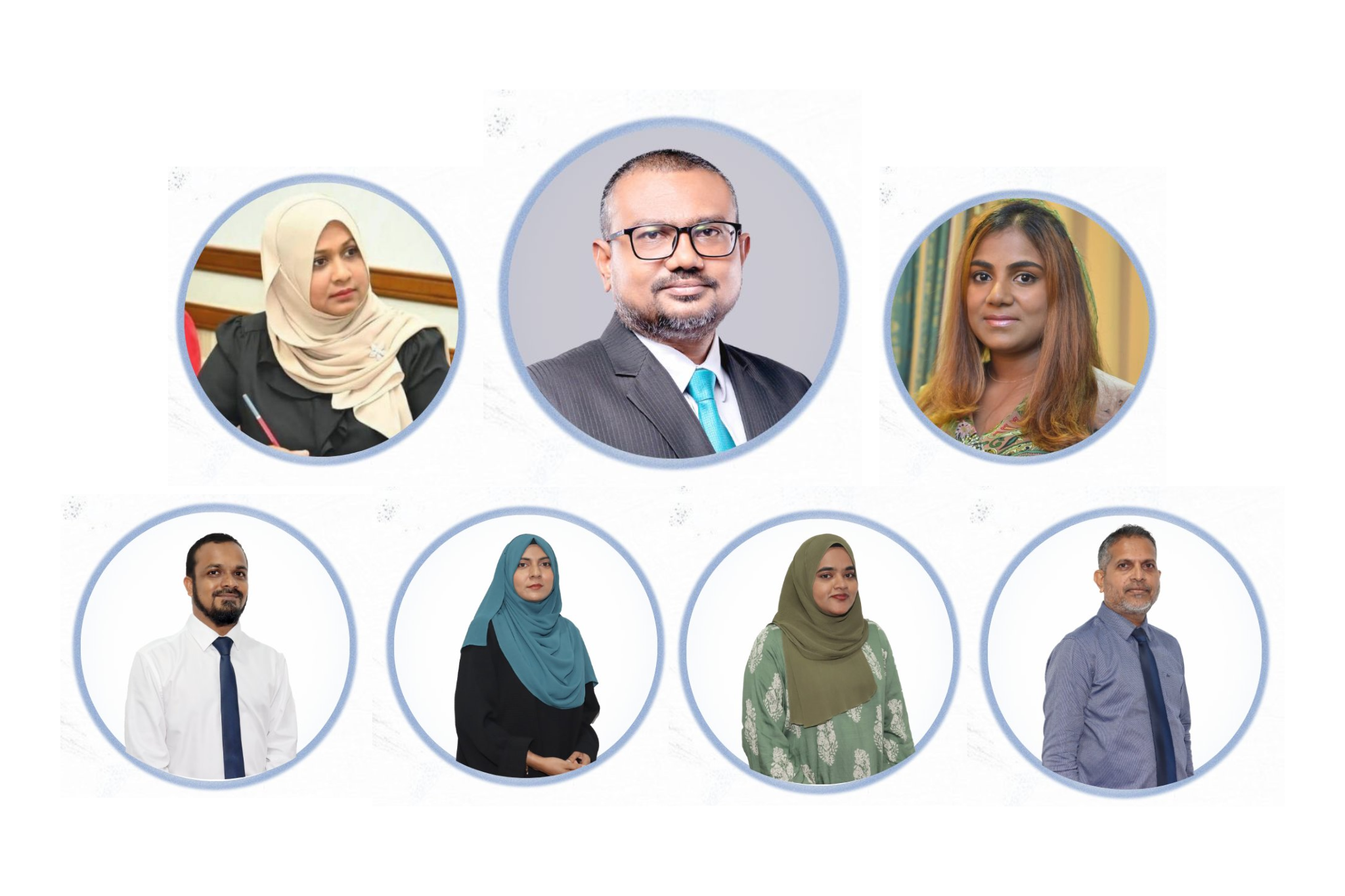
Three members of the seven-member commission will be appointed by the President. The other four members will be elected by the media. Media outlets that have been operating for more than five years can field candidates and vote in the election.
In addition to media outlets, journalists can also vote in the election. This means the state broadcaster controlled by the government, Public Service Media (PSM), is likely to take control of the election.
The commission will have the power to regulate social media, and hefty fines can be imposed on media outlets. Some provisions also allow the commission to shut down media outlets, while the commission has the power to determine what is true and what is false.
The bill sets out the rules for media ethics and empowers the commission to determine what information endangers public interest.
In addition to the Maldives Journalists Association (MJA), the MMC, Broadcom, Bar Council, Human Rights Commission of the Maldives (HRCM) and other local and international organizations have raised concerns about the law.