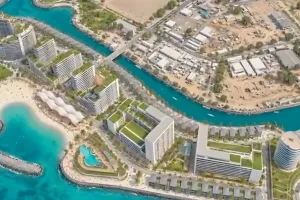
Environmentalists have expressed concern over the planned reclamation of Baa Dhonfanu island which could cause serious damage to the biodiversity of the protected Hanifaru Bay area.
Maldives Transport and Contracting Company (MTCC) has been contracted to reclaim 13 hectares of land in Dhonfanu - an island with just 398 people. The project agreement was signed on August 13 during President Mohamed Muizzu's visit to the island.
"Land space is very scarce. So, with this project, about 13 hectares of land is being added. This will solve your land issue as much as can be done using the island's lagoon," Muizzu said.
Maeed Zahir, director of advocacy at Ecocare Maldives, said land reclamation in Dhonfanu will provide short-term benefits and permanent consequences.
"Baa Atoll Hanifaru Bay is a UNESCO Biosphere site, world-famous for manta and whale shark gatherings. Just one kilometre away, government plans 13 hectares of reclamation for an island of 398 people, risking millions in tourism revenue and a priceless natural wonder. Short-term gain, permanent loss," he said in a post on X.
Hanifaru Bay is maintained by the Baa Atoll Biosphere Reserve Office. During Muizzu's visit to Dhonfanu, the island council requested him to transfer the affairs related to the site to the council.
Meanwhile, the government has abolished the Environmental Protection Authority (EPA) and transferred matters related to the Environmental Impact Assessment (EIA) to the Ministry of Tourism and Environment.
Maeed has called on the government to reveal the EIA for the project.
Veshi Saafu NGO from Addu city has also called for the project to be stopped.
"Save the biosphere reserve, we get millions from eco-tourism, there is no benefit in destruction. Prioritize nature over profit and stop the reclamation project. Hanifaru belongs to the sea, not to developers," the association said.
Hanifaru Bay covers an area of 529 hectares. The reefs in the area are used as cleaning stations by the mantas. There is a USD 20 fee to snorkel in the area and scuba diving is banned.
Earlier this year, the Environment Ministry announced a plan to protect the area for the next five years.
According to the plan, the biggest threat to the Hanifaru Bay Area is development projects around the area, especially land reclamation projects.