Subsidy change in April, prices to rise by 3.9 percent

Nov 13, 2024, 11:05 AM
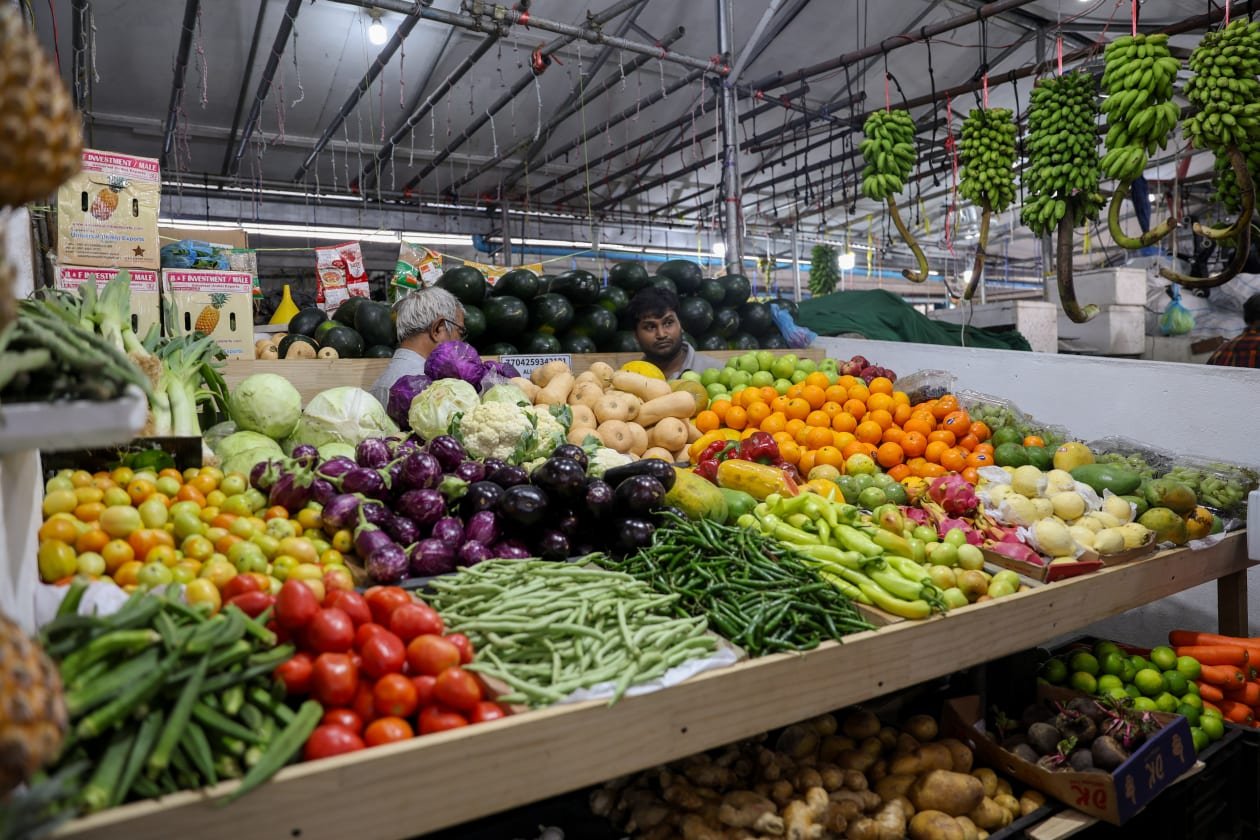
Local market. -- Photo: Adhadhu

Local market. -- Photo: Adhadhu

Finance Ministry has estimated that inflation will rise 3.9 percent next year when the current universal subsidy system is abolished and replaced with a directly subsidized cash transfer system.

According to the budget book, the change to subsidy will be introduced in the second quarter of next year or April 2025. With the change, the blanket subsidies for staple food items, water, electricity and fuel used to generate electricity will be given as targeted subsidies to those only in need.

By targeting the subsidy in this way, the government will provide cash assistance based on the circumstances of households.

According to the budget book, the policy change is expected to increase inflation for a year. Since the International Monetary Fund (IMF) has forecast that global prices will drop in the medium term, the Finance Ministry believes prices in the Maldives will also decline.

Finance Ministry estimates that the inflation rate will remain at 0.8 percent if the policy is not implemented for any reason. This is in line with the expected rate of inflation in the current year.

However, the World Bank's latest development update said inflation would rise to 7.8 percent next year if blanket subsidies were lifted and that it would slow down by 4.5 percent in 2026.


Comments

Read More

Latest News

Maldivian bolsters luxury tourism with new King Air 360 aircraft

Maldivian has acquired a luxury King Air 360 aircraft to provide high-end transport for resort guests. Launched in partnership with Nilaa Coral Island, the eight-seat plane features a pressurized cabin and night-flight capabilities. While primarily serving the new resort, the aircraft is also available for private charters nationwide.

Government workforce increased by 6500 in three years

The government workforce grew by 6,530 employees over the last three years, reaching a total of 55,466. This rapid recruitment has driven the national wage bill to a projected MVR 14.4 billion for next year. The current administration's hiring rate significantly outpaces the previous three-year period.

Government to provide guarantee for BML sukuk

The Maldives government will provide a sovereign guarantee for BML’s $300 million sukuk to fund northern resort development. This move raises the state's guaranteed debt target to 15% of GDP. The initiative aims to boost tourism, expand the banking sector, and address dollar liquidity challenges without funding the state budget.

MVR 12.6 billion spent on SOEs over three years

The state injected MVR 12.6 billion into State-Owned Enterprises over three years, exceeding initial budgets by MVR 7.1 billion. While spending peaked last year at MVR 6.2 billion, the Finance Ministry projects a decrease to MVR 1.98 billion next year. Efforts are underway to streamline operations and reduce these consistent overruns.

Dhiraagu opens EliteClub+ loyalty program to all customers

Dhiraagu has expanded its EliteClub+ loyalty program to all mobile customers, offering tiered rewards and discounts at over 100 outlets. Users can earn points through bill payments and recharges to unlock benefits like free data and gift cards. New members receive a 100-point welcome bonus by signing up via the Dhiraagu App.

Maldives fisheries could plummet by 75 percent

A new study warns that climate change could reduce Maldivian fish stocks by 75% by 2100 as rising temperatures drive fish to cooler waters. Local fishermen already report traveling much further offshore to find catches. Experts caution against switching to industrial netting, as it could further deplete stocks and damage the nation's reputation.

Budget 2027: Domestic debt projected to surpass MVR 100 billion

The Maldives' domestic debt is projected to exceed MVR 100 billion by the end of this year, driven by heavy reliance on the domestic market for financing. Government estimates show debt rising to MVR 108.1 billion by late 2025. This year marks the highest borrowing period for the current administration to meet its fiscal needs.

Newsletter

Get the latest news delivered straight to your inbox