MFDA has got new powers under the Food Safety Act: Khaleel

Aug 22, 2024, 1:10 PM
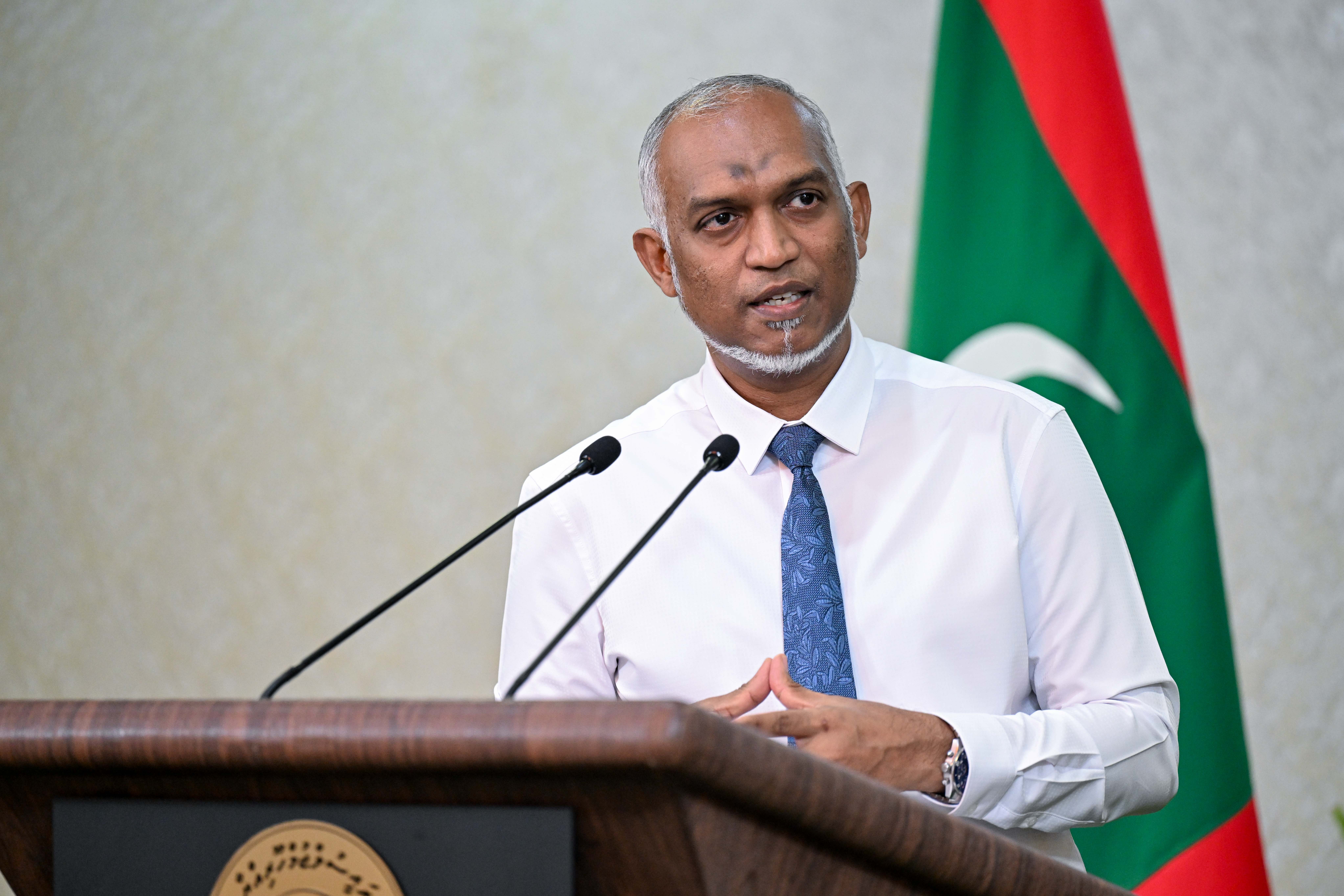
Health Minister Abdulla Khaleel. -- Photo: President's Office

Health Minister Abdulla Khaleel. -- Photo: President's Office

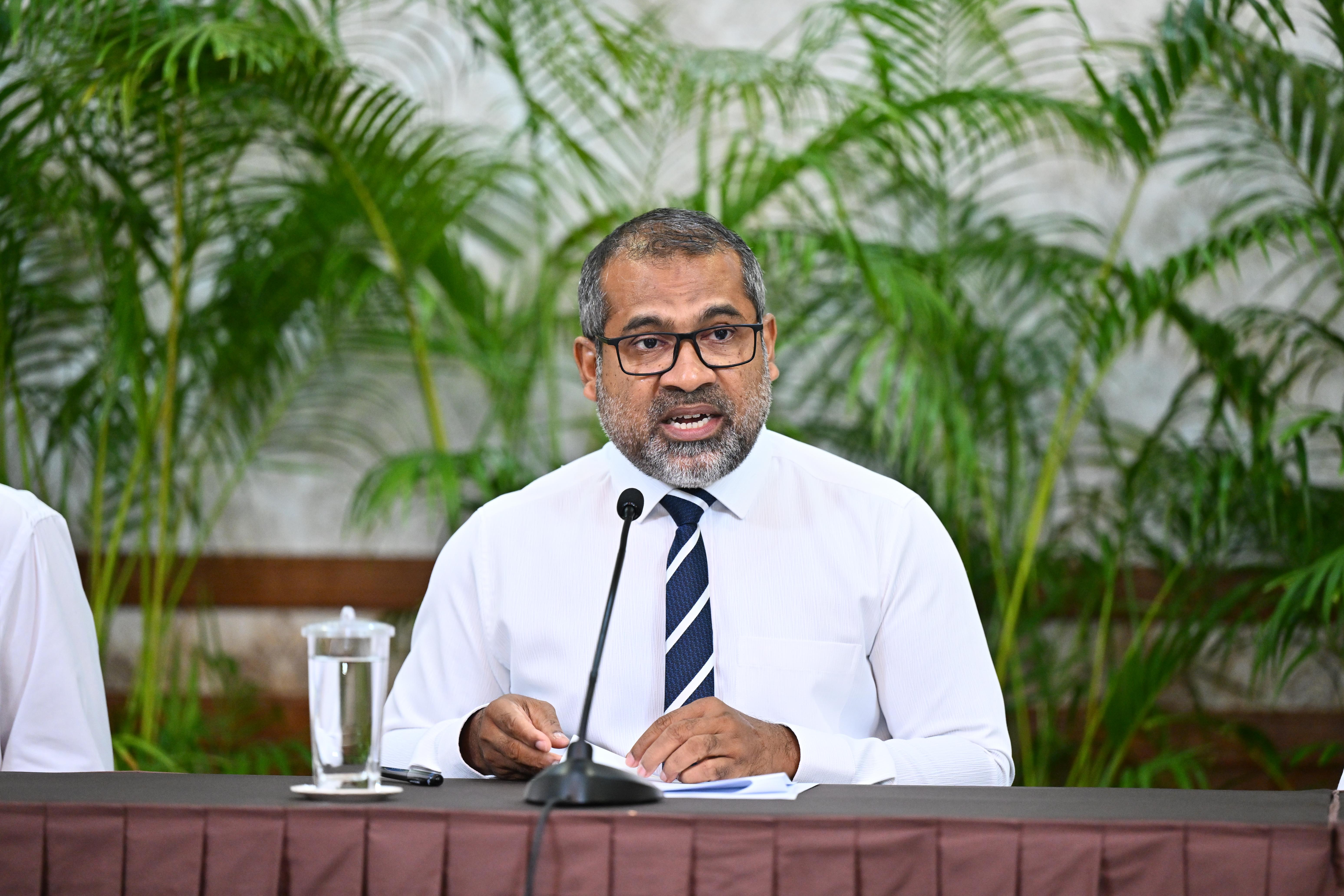
The Maldives Food and Drug Authority (MFDA) has been given new powers under the Food Safety Act and measures will be taken starting tomorrow, Health Minister Dr. Abdulla Khaleel said today.

At a press conference, Khaleel said that under the previous law, the MFDA could only check registered establishments. However, under the new law, MFDA gets the power to check unregistered premises.

"From tomorrow, from the moment this law comes into force, the MFDA will have the power to inspect and close the premises and to allow reopening once the recommendations are implemented," he said.

"We will not hesitate to ensure the safety. To ensure food safety, we will inform relevant authorities if the producer is a foreigner who needs to be deported," he added.

Under the new law, MFDA has the power to close down any place that sells goods in an unsafe manner.

"Once the law is implemented, we will know what needs to be improved. At that point, we will hopefully amend the law and make changes by submitting it to Parliament," Khaleel said.

Until now, outlets that prepare food were monitored by the Health Protection Agency (HPA) under the Public Health Act. HPA shuts down outlets for violating the Public Health Act.

Khaleel said the MFDA would now take measures under the Food Safety Act. Special rules will be made for this purpose and the standards will be determined, he said.

Noting that the health and safety of the people will not be compromised, he said the law allows for criminal charges and fines.

Fines between MVR 10,000 and MVR 50,000 can be imposed based on the type of offence and the maximum fine will be MVR 1 million.
Comments

Read More

Latest News

MMA restricts medical USD allowance to six countries

The Maldives Monetary Authority has restricted the $1,000 medical currency allowance to six specific countries to ensure funds are used for their intended purpose. This change follows a surge in foreign currency demand for private travel. The $2,000 allowance for state-funded Aasandha patients remains unchanged.

Scholars Union warn Rasmalé deal threatens Islamic unity

The Union of Religious Scholars warns that the Rasmalé land deal with a UAE-based firm threatens the Maldives' Islamic identity and sovereignty. They expressed concerns to the government about the settlement of foreigners and the potential permanent loss of territory. The group has urged the President to reconsider the 99-year lease agreement.

Prosecution alleges Yameen orchestrated MMPRC embezzlement

Prosecutors allege former Maldives President Abdulla Yameen orchestrated the MMPRC embezzlement scandal to secure illicit funds. During a hearing on the Raa Fuggiri lease, the state claimed Yameen abused his power to accept $1.1 million in bribes and launder money, using his influence over former VP Ahmed Adeeb to execute the scheme.

Staff shortages stall investigations, NIC tells Majlis

The National Integrity Commission told Parliament that a shortage of investigators has caused a significant backlog of unresolved cases. Despite receiving 196 complaints last year, mostly against the police, the commission struggled with only four to nine staff members. Priority is now being given to clearing these pending investigations.

RDC ordered to pay MVR 11.7 million to Indian firm

The Maldives Civil Court has ordered the Road Development Corporation (RDC) to pay MVR 11.7 million to India’s Lucky Global Projects in a single lump sum. Despite RDC’s request for installments due to financial distress, the court ruled for full payment because the creditor refused to accept a staggered schedule.

Three Bangladeshis remanded after police seize alcohol bottles

Three Bangladeshi nationals were remanded in custody following a police raid on a large-scale distribution network in Henveiru. Authorities seized 826 bottles of alcohol stored in a local warehouse. The suspects, aged 25 to 43, were ordered to be held for periods ranging from five to 15 days as investigations continue.

Elderly pilgrims prioritised with new policy for seniors over 70

A new policy prioritizes first-time pilgrims over age 70 for the next Hajj, granting spots to 324 seniors on the waiting list. While this may delay younger applicants by a year, it ensures elderly citizens can fulfill their religious duties. One family member may also be prioritized to accompany them for support.

Newsletter

Get the latest news delivered straight to your inbox