The European Union (EU) has expressed concern over the lack of transparency in fundraising and expenditure by candidates who contested in September's presidential election.
In a final report published after observing the two rounds of the presidential election on September 9 and 30, the EU mission made 20 recommendations for strengthening multi-party democracy.
"Political and campaign finance lacks transparency and effective oversight," the EU report noted.
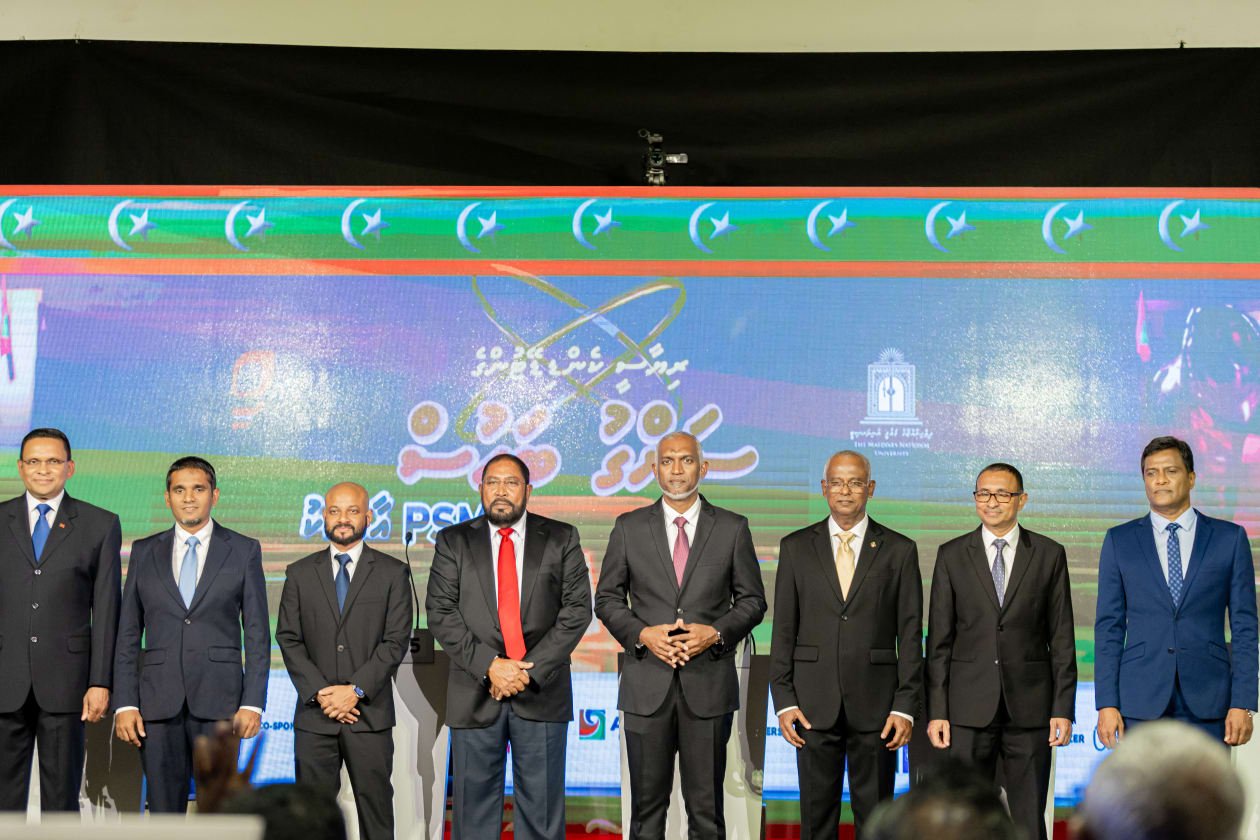
Expenditure in financial statements submitted by candidates
- Ahmed Faris Maumoon - MVR 1,166,064
- Ibrahim Mohamed Solih - MVR 10,476,127
- Ilyas Labeeb - MVR 2,518,508
- Mohamed Nazim - MVR 13,075,900
- Dr. Mohamed Muizzu - MVR 21,228,817
- Hassan Zameel - MVR 16,259
- Umar Naseer - MVR 285,950
- Qasim Ibrahim - MVR 20,421,050
Despite shortcomings, the election was the best conducted polls in the Maldives to date, the EU said.
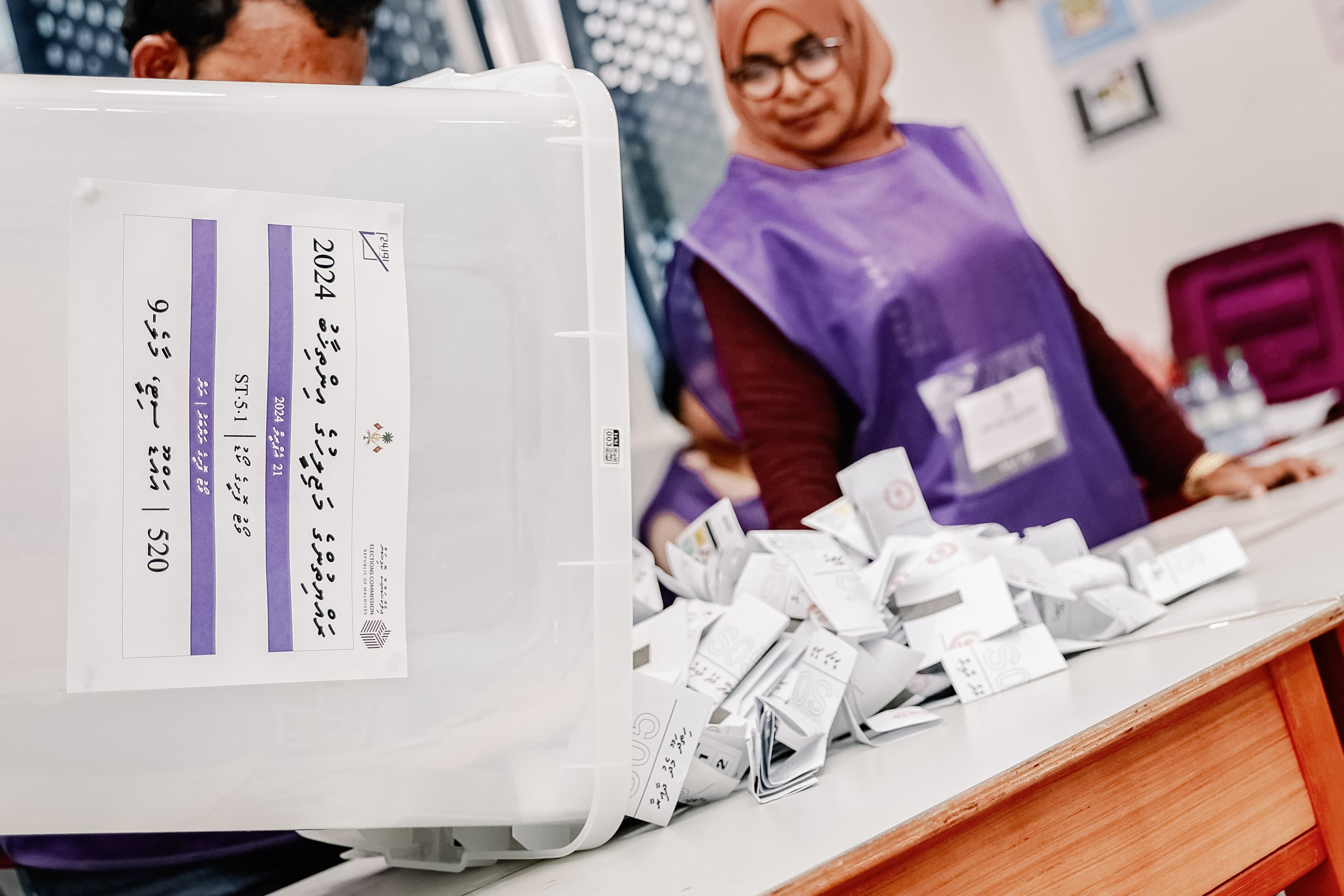
"The presidential election was technically well-administered and professionally delivered by the Elections Commission of Maldives," said Chief Observer Nacho Sánchez Amor, a member of the European Parliament.
The number of women in political campaigns was still low despite the record number of presidential candidates, he said. The role of women was also narrow in conducting the polls, he added.
The EU offered advice in seven areas to improve future electoral process.
Priority recommendations
- Develop and implement a comprehensive and continuous civic and voter education programme nationwide, including in educational institutions, with a special focus on political rights, freedom of choice in voting, and the impact of vote-buying on democracy.
- Introduce measures in law and combat the misuse of state resources, including the instrumentalization of state-owned enterprises for campaign purposes.
- To enhance the accountability of political parties and election candidates, revise and close gaps in the legal framework regulating campaign finance.
- Provide training and professional development courses for journalists and editors to equip them with the knowledge and skills necessary to produce balanced, ethical and responsible journalism during elections, including merit-based coverage of the electoral campaign..
- Support civil society fact-checking initiatives in the Maldives to verify information and combat disinformation and ensure corrections when false information is spread.
- Introduce affirmative action measures to ensure nomination of women to leadership positions in public life and political life, including to independent bodies.
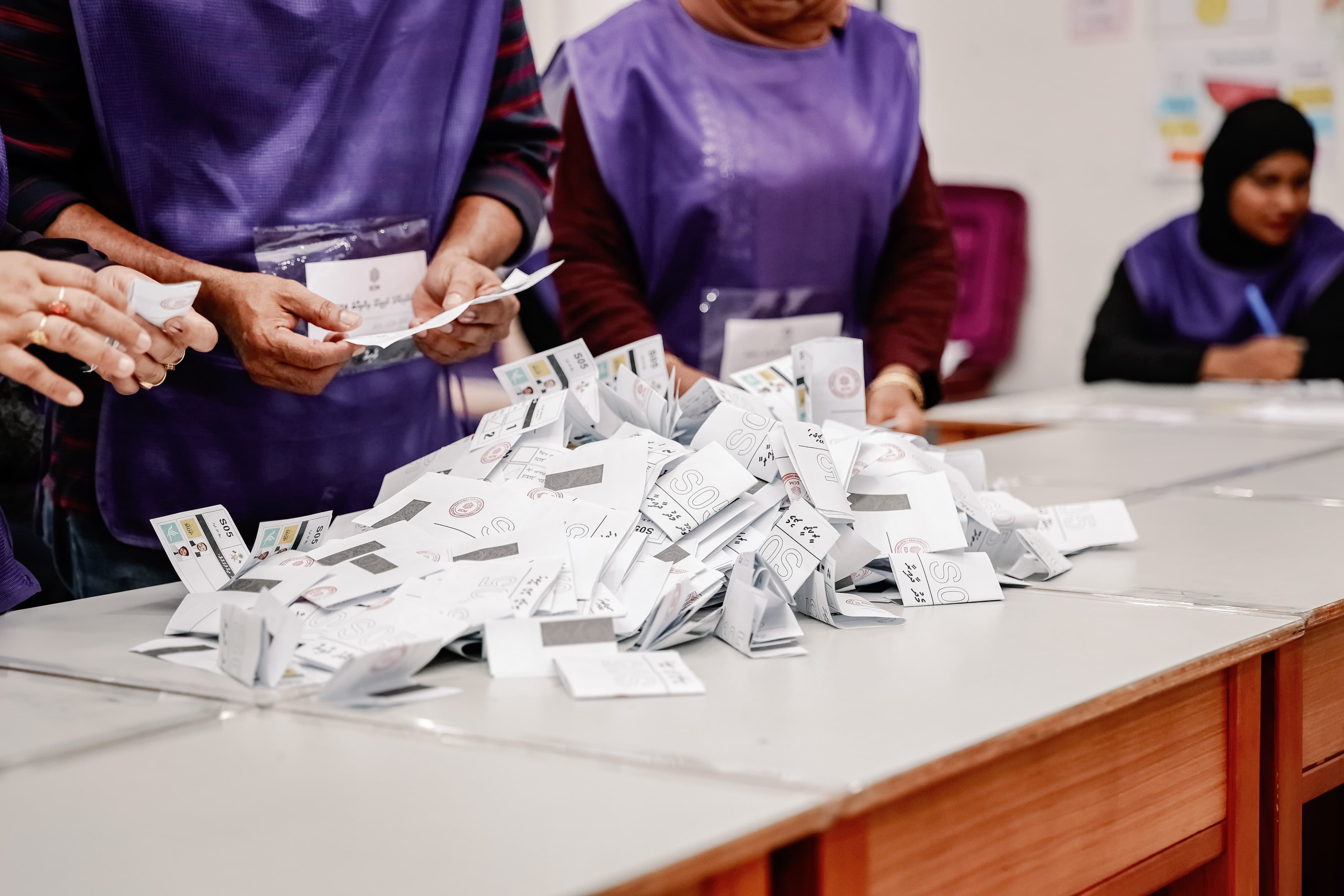
- Introduce and implement instructions on the determination of the validity of votes to ensure that polling staff respect the intention of the voter as clearly expressed on a ballot paper.
The EU expressed concern over the narrow press freedom in the country and the lack of impartiality in Maldivian media outlets. The government and candidates provided large sums of money to the media in the guise of advertising, it noted.
The EU previously expressed concern in a statement released two days after the election about the lack of media independence and disinformation campaigns.
"Numerous X/Twitter and Meta accounts of social media influencers disseminated false content, engaged in personal attacks, and propagated unsubstantiated accusations against both candidates," the preliminary statement read.
"One online media outlet, Dhiyares, also seemed to orchestrate a coordinated disinformation campaign targeting the incumbent."
The EU mission observed the presidential election on the invitation of the Foreign Ministry and the Elections Commission (EC).