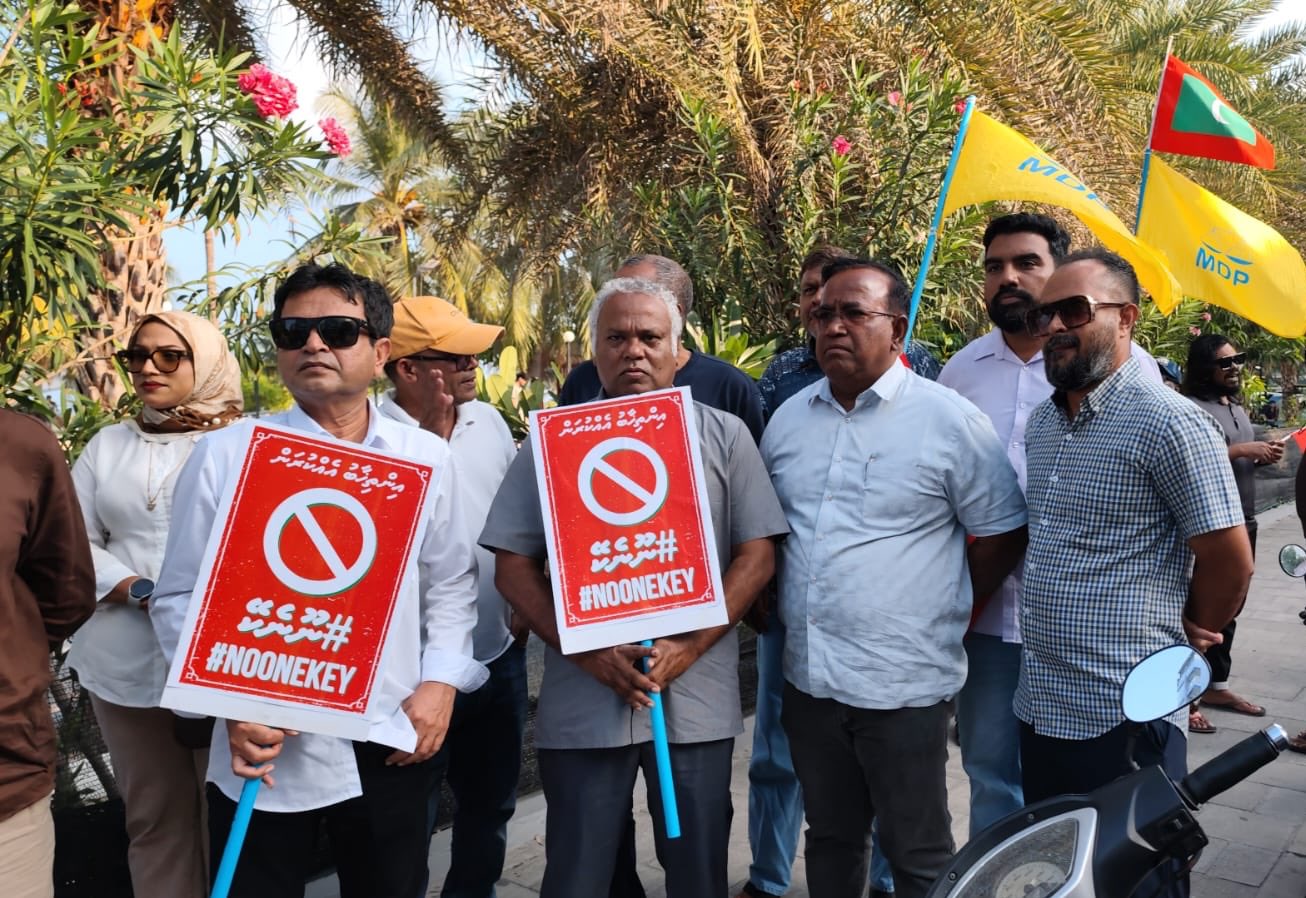
The government has been widely criticized for blocking two anti-government websites and the registered news website 'Furathama' which published an article critical of the government.
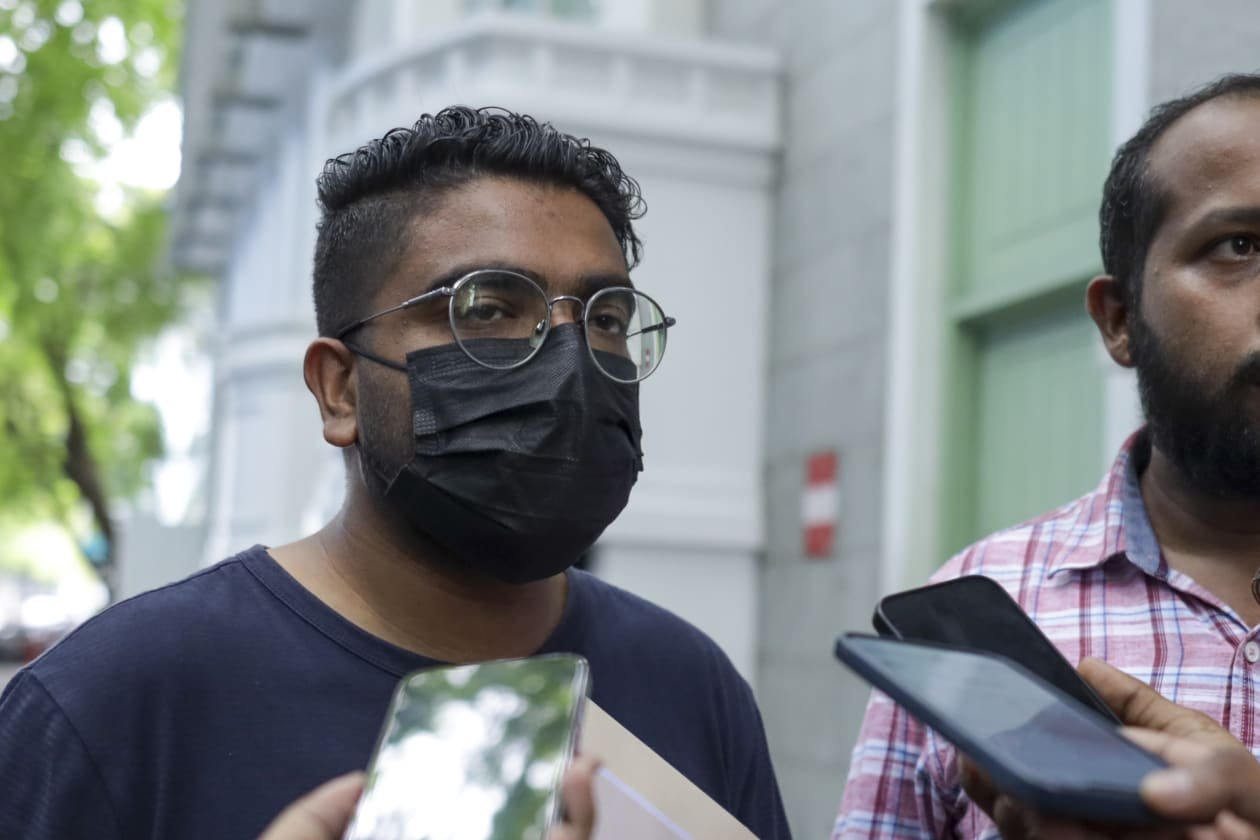
The head of the 'Furathama' news website, which has been running since November 2019, confirmed to Adhadhu that the website was blocked.
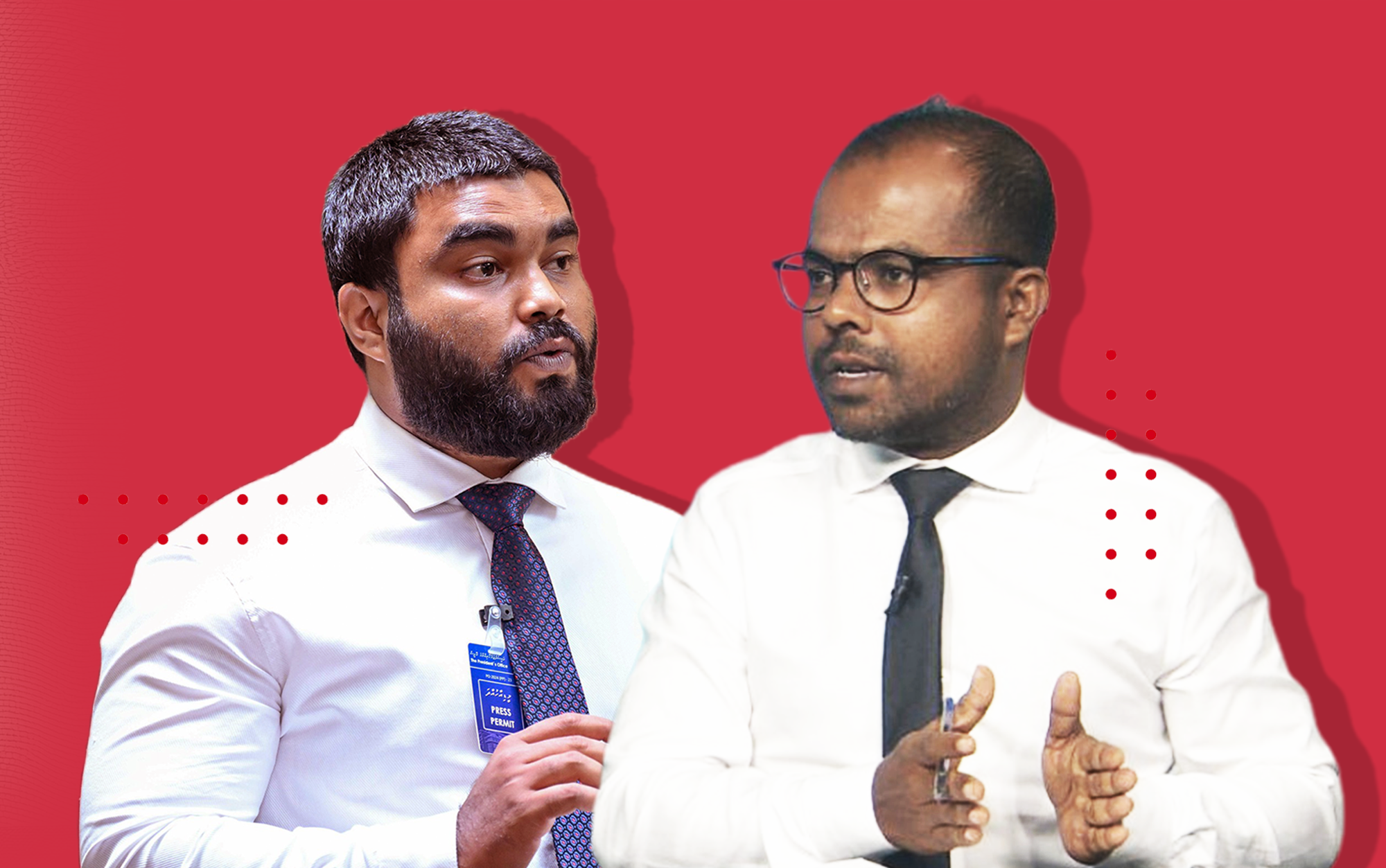
However, government spokesperson Mohamed Shaheeb denied blocking the website and condemned the Maldives Journalists Association (MJA) for stating that the website had been blocked.
"Despite the government's denial of blocking Furathama.com, MJA received the help of foreign cyber security experts affiliated with the association to confirm evidence of blocking before issuing the statement," the MJA retaliated.
"They [experts] told the MJA that Furathama.com was blocked directly by the Maldives service provider and evidence does not indicate the action was taken by the site owner."
Meanwhile, the Maldives Media Council has also condemned the government's blocking of websites. The council said the unregistered news websites are also media outlets and no complaints have been received against them.
"No complaints have been submitted to the council regarding the content of the two blocked websites. The blocking is a matter of concern. This is an obstacle and a threat to freedom of the press," the council said.
Spokesperson Shaheeb and President's Office Minister Ibrahim Khaleel later criticized the MJA for issuing a statement against the blocking of some media outlets. They claimed that "the nation must come first".
"The nation will come first and the nation will be the most important element. The whole world is debating to solve the fake news problem. No standard says that blocking fake news is restricting freedom of the press," Khaleel said.
Article 27 of the Constitution states that "everyone has the right to freedom of thought and expression and to express their views and opinions through verbally, in writing and other means in a manner that does not violate the principles of Islam."
Article 28 of the Constitution states that "everyone has the right to freedom of the press and the use of the media, including freedom of news, information, views, expression, publication and dissemination."
According to the rules on registration of newspapers and magazines, "newspapers, magazines and other similar items" must be registered. This could mean that all blogs and sites should be registered.
However, Clause 36 of the Media Council Act states that “media is TV, radio, interactive CDs, websites, newspapers, magazines, trade publications, advertisement, publications that are available for purchase, or free of charge, in print, on the internet and other means for public dissemination."