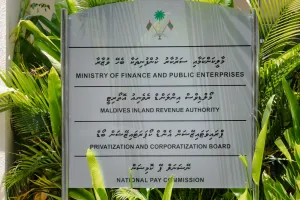
The Finance Ministry has announced that the current indirect subsidies will be replaced by targeted subsidies starting from July.
According to the "Fiscal Risks Statement 2023", subsidies on staples, fuel, electricity and sewerage are available to everyone living in the Maldives, including businesses and tourists.
The government says the benefits to subsidy beneficiaries are relatively small because of indirect subsidies.
Only those eligible for subsidy will be given money
Indirect subsidies provided through the state budget are given in the form of loss compensation to government companies.
The government's proposed change is to stop giving money to companies from July and replace it with those who need subsidies. This conversion will provide future subsidies in the form of monthly payments or direct transfers to those in need.
Another change in the subsidy system is to determine the amount of subsidies based on the revenue received by the state. The government's intention is to budget a percentage of last year's TGST revenue for subsidies.
The Finance Ministry noted that the expenditure on subsidies will be linked to the state's wealth.
Prices of goods and services will rise, but a relief for state finances
With the targeted subsidy system, the change to cost-based pricing rather than cost-reflective pricing will result in higher costs for the public and businesses, the finance ministry said.
However, the financial constraints caused by changes in commodity prices in foreign markets will be reduced, the Finance Ministry said.
The ministry also said that the introduction of original prices will indirectly facilitate reductions in fuel and electricity consumption through behavioral changes.
This will reduce the amount of money needed to import oil and encourage electricity consumption, the Finance Ministry said.
The change in July next year will save MVR 599 million that year, MVR 1.1 billion in 2024 and MVR 2.5 billion in 2025, as predicted by the Finance Ministry.
The staples food subsidy was previously converted to a targeted subsidy in 2016 by former President Abdulla Yameen's government.
However, the policy was maintained for a year and then switched back to an indirect subsidy. At that time, financial assistance was given to those in need through the National Social Protection Agency (NSPA).