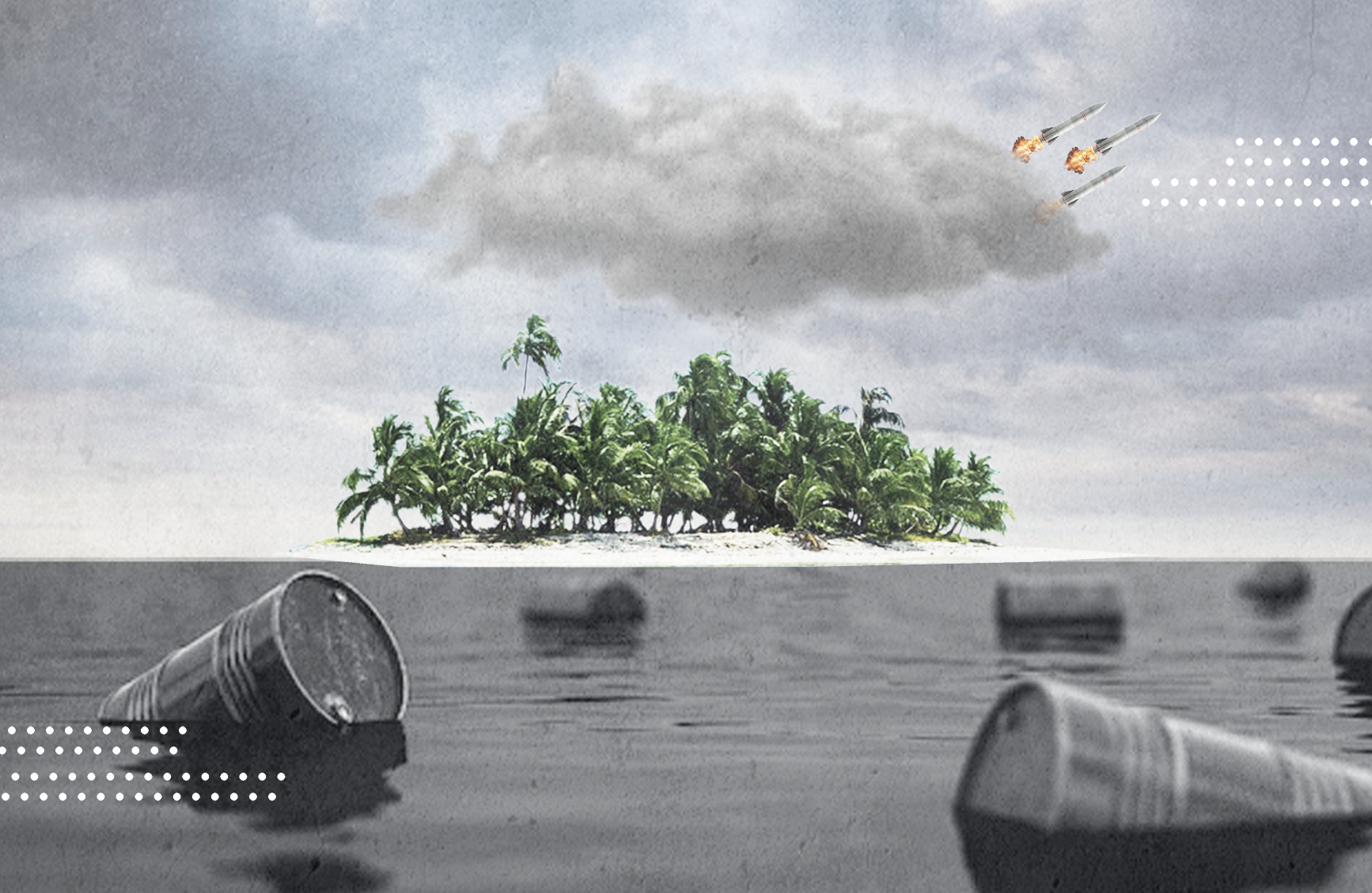
None of us in the Maldives are unaware of the war that has intensified between Iran and Israel. We witness developments as they occur, with headlines popping up on our phones. While we are very well informed on global political developments, the events themselves might seem far removed from us. But for a country like the Maldives, global tremors often arrive quietly, through rising prices, dollar shortages, and stretched household budgets. Many of us hold not so distant memories of the impact of the Gulf Wars. As the world watches the Middle East with concern, we must also turn our eyes inward and ask: how prepared are we to weather the ripple effects of another distant conflict?
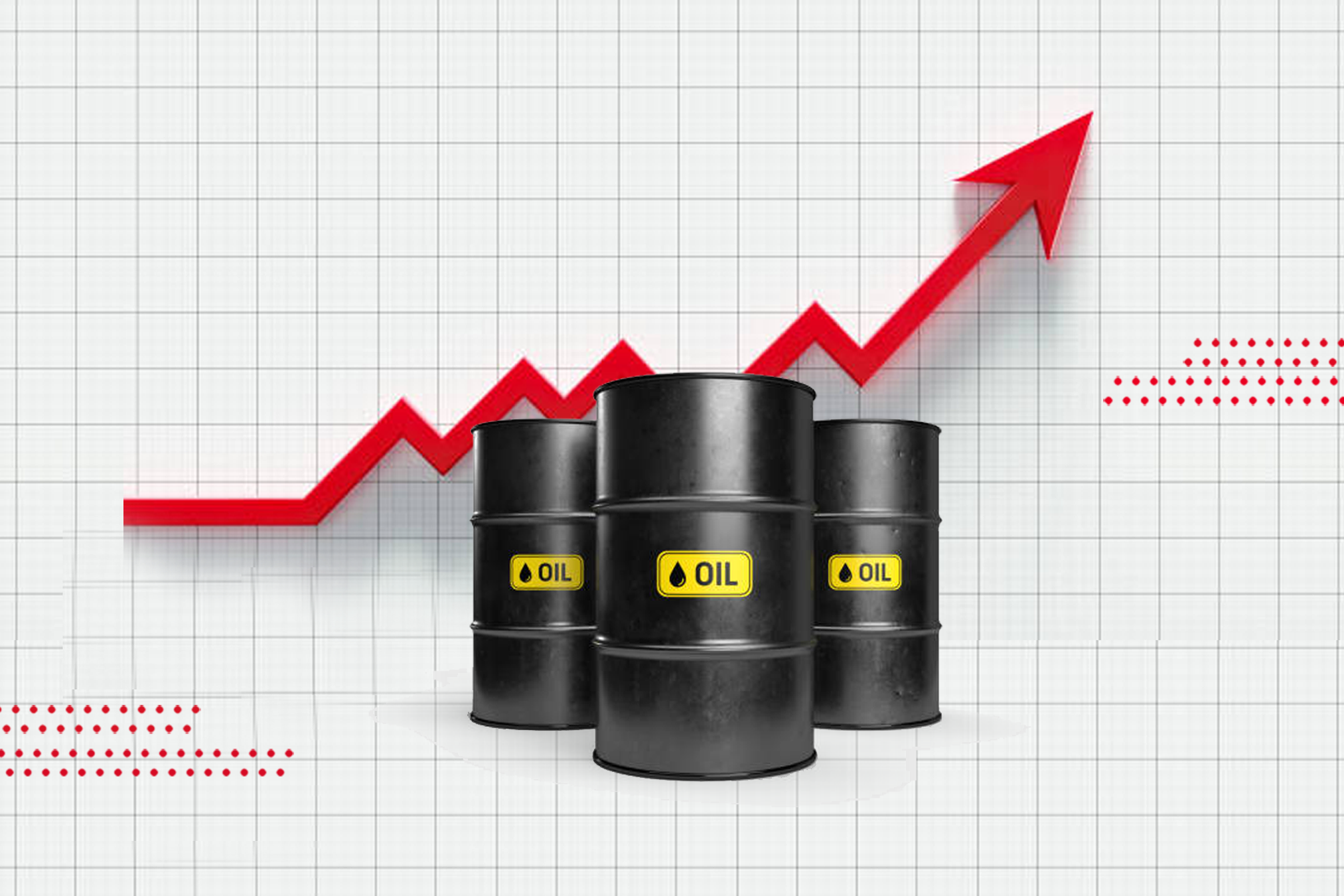
It is not a fallacy to state fuel is the lifeblood of our economy. The Maldives spent around USD 700 million in 2024importing fuel; diesel, petrol, and jet fuel that keeps our ferries, planes, and generators running. Meanwhile, the country’s revenue in 2024 is just USD 1.1 billion. That means more than 60% of our earnings go into fuel. If global oil prices rise sharply due to tensions in the Middle East, a region that still supplies a significant portion of the world’s oil, our fuel bill will escalate too, perhaps drastically. Analysts estimate that if the attacks continue for more than a few weeks, the price of crude oil could exceed USD 100 per barrel. To make matters worse, Iran has announced plans to close the Strait of Hormuz, a narrow passage through which nearly 20% of the world’s fuel supply is transported. Any disruption there would send oil prices soaring and make it even harder for countries like the Maldives to afford essential fuel. That leaves us with even less room to spend on critical sectors like health, social protection, commodities, and infrastructure.
Higher fuel costs will translate to higher expenditure on transport, higher electricity bills, higher prices for basic groceries. In simple terms, Maldivians will feel the strain on the wallets with their daily expenses. Our economy, already balancing on a tightrope, could find itself with fewer options to shield citizens from rising costs.
At the same time, we are facing a deepening stress on our foreign currency reserves. Although the official exchange rate is fixed at MVR 15.42 to the dollar, the black-market rate has reached to MVR 19.40 and no sign of going down, and it is a worrying sign of how tight the dollar situation has become. The wider this gap grows, the more it reflects uncertainty and lack of confidence in the exchange rate. This shortage will not only affect importers and businesses but will also filter down to the average person, as goods become more expensive and even harder to source.
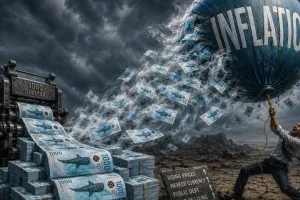
We import almost everything we consume from staple food to medicine, consumer goods to energy. Any disruption to international trade, whether it’s due to war or inflationary pressures makes the prices soar significantly. Meanwhile, our fish exports have dropped, worsening our trade deficit, which now stands at a staggering USD 3.1 billion. That’s three times what we earn from foreign sources annually.
In 2024, our public debt reached MVR 123.9 billion, and that doesn’t even count all guaranteed debt, which pushes the figure up to MVR 145 billion, over 133% of GDP. Borrowing has become a routine practice to fill the gaps in our finances. But as trade and military wars are waging globally, lenders become cautious, accessing affordable loans will become harder. This means future debt may cost more, further limiting our options.
The tourism sector, which earns the majority of dollars faces risks as well. Higher airfare costs, or reduced spending in our key markets due to global inflation could translate into reduced tourist arrival and shorter stays. Any dip in tourism arrivals would shrink the flow of dollars into the country and put even more pressure on an already strained system.
Outward remittances in 2024 is over USD 155 million. On the other hand, inward remittances barely made a dent, totaling only USD 2.9 million. The imbalance in cash flow is another red flag.
Considering the current circumstances and growing concern, the Maldivian government must show greater transparency. The public deserves to know the real picture of our financial status. How much is our reserves? What plans are in place to manage a potential crisis? What are the plans to secure staple food and essential items if the war continues and fuel prices keep rising? Covid19 starkly showed us our vulnerabilities, and we were able to mitigate potential catastrophes and crisis with preemptive planning and action.
It’s time to have the difficult conversations, not resort to rhetoric aimed at appeasing the public. The government must prioritize timely and honest communication, practical and realistic plans, and swift action. As the saying goes, "Speak the truth in season, or risk losing both the truth and the listener."
titledesc