Although the Thilafushi Commercial Port project is being spearheaded by a newly formed joint venture between three state-owned enterprises, it has emerged that the bulk of the project will be financed through a MVR 2.3 billion state treasury loan issued to Maldives Ports Limited (MPL).
According to the national budget proposed to Parliament, this loan is scheduled to be disbursed across 2028 and 2029. MVR 693.9 million is earmarked for 2028, while the remaining 70 percent—amounting to MVR 1.6 billion—is slated for release in 2029.
Despite President Mohamed Muizzu’s earlier pledge that port services at Thilafushi would commence by November 11 next year, the budget allocates no loan funding for that year. Furthermore, no treasury loans were issued to the company for this project during the previous or current fiscal years. The budget provides no clarity on how project expenses will be covered leading up to the announced inauguration date.
The project, estimated to cost approximately USD 225 million (MVR 3.4 billion), is being executed by the "Port Development Company," a joint venture between MPL, Housing Development Corporation (HDC), and State Trading Organisation (STO). However, the state treasury loan will cover roughly 68 percent of the total project cost.
The formation of this joint venture has previously drawn scrutiny in Parliament. Opposition lawmakers have alleged that the entity was established to bypass the State Finance Act and established procurement regulations when awarding contracts.
While the project is mentioned in the budget statement, the total project value is not detailed in the budget book. The only specific financial detail provided regarding the project is the amount of the treasury loan allocated to MPL.
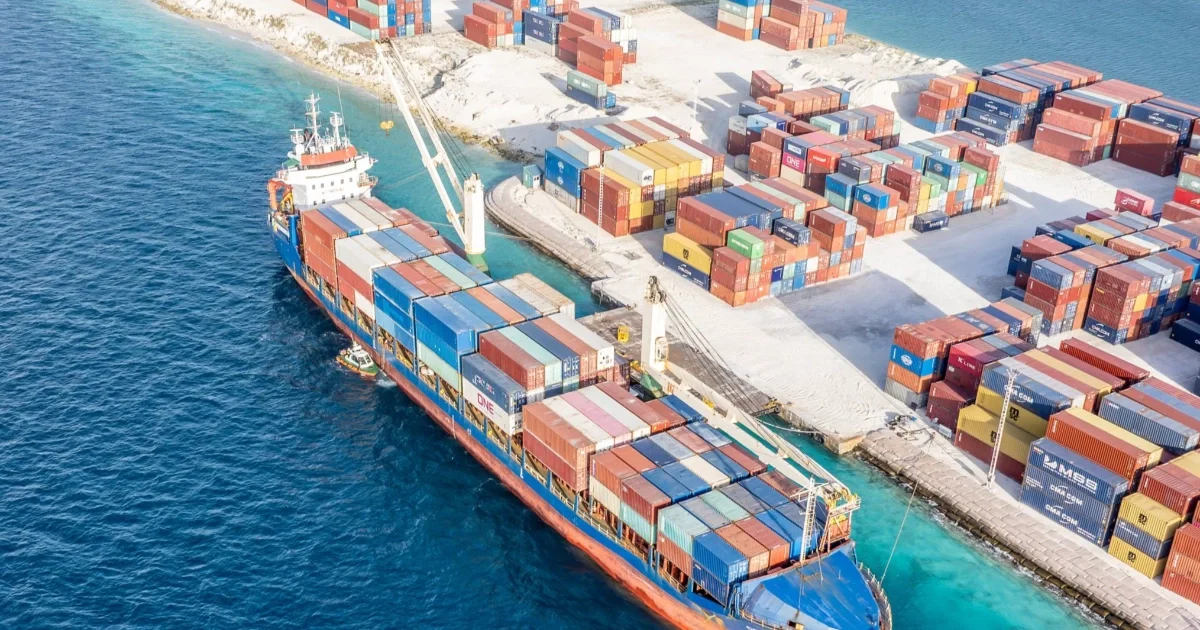
MPL, the lead agency in the Thilafushi Port project, stated that the facility is being developed on 10 hectares of land. Once all phases are complete, the port will be capable of accommodating the largest commercial vessels. The government maintains that this new port will provide a permanent solution to the congestion at the Male' Commercial Port, which has been in operation for nearly 40 years.