Anti-religious sentiment to be criminalised to suppress opposition to Rasmalé deal

Oct 26, 2026, 9:08 PM
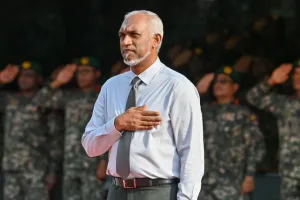
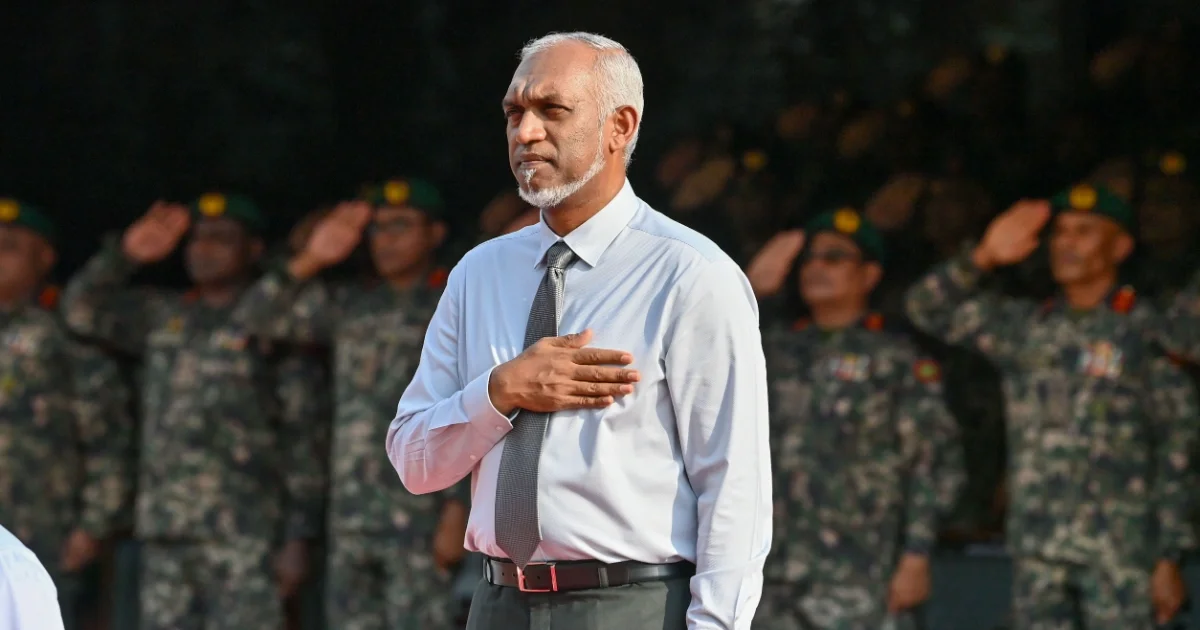
President Mohamed Muizzu speaks during a press conference -- Photo: President's Office

President Mohamed Muizzu speaks during a press conference -- Photo: President's Office

In a move to suppress dissent against the Rasmalé deal, the government has introduced a bill to the People’s Majlis seeking to amend the Penal Code.

The proposed legislation establishes severe penalties for the crime of genocide but includes clauses that could be interpreted to silence activism against Zionists.

The bill was submitted on behalf of the government by the ruling People's National Congress (PNC) MP for Maafannu South, Abdulla Rifau. The official justification for the amendment is to codify genocide as a criminal offence in alignment with international conventions to which the Maldives is a signatory.

However, legal observers note that the phrasing of the bill could be weaponised to prohibit advocacy against particular religious or ethnic groups. There are concerns that these provisions could be misused to stifle domestic protests and opposition directed at Israeli Zionists. The bill stipulates that directly and publicly inciting action against a group based on their nationality, race, or religion constitutes a criminal offence.

Under the proposed changes, committing an act of genocide would be classified as a first-degree felony. According to the Penal Code, the baseline sentence for such a crime ranges from 10 to 25 years in prison. Furthermore, individuals found guilty of inciting such acts would face second-degree felony charges, punishable by up to 10 years of imprisonment.

The bill further clarifies that following the orders of a superior or acting under legal authorisation does not constitute a valid defence for this crime. Additionally, it states that no state official, regardless of rank, shall be entitled to immunity or special privileges under this article.
Comments

Read More

Latest News

Life imprisonment for treason under proposed amendments

The Maldivian government has proposed a bill to classify treason as a first-degree felony punishable by life imprisonment. The amendment defines treason as waging war or threatening national sovereignty and bars convicts from state office. This move fulfills a campaign pledge by President Muizzu to impose harsher penalties for betraying the nation.

New amendment criminalises "intentional acts" to harm the economy

The government is amending the Penal Code to criminalize "intentional acts" that harm the economy, with penalties of up to 10 years in prison. Critics argue the law aims to suppress opposition to major state projects like the Rasmalé deal. This move, alongside new media controls, raises significant concerns regarding freedom of expression.

MDP MPs urge public referendum over Rasmale' deal

MDP lawmakers are calling for a public referendum over a deal to grant 500 hectares of Rasmalé land to a foreign company on a 99-year lease. The opposition argues that such a significant transfer of territory requires direct citizen approval. They insist the public must have the final say on the project's long-term implications.

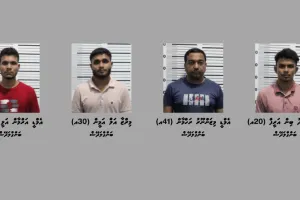
Four Bangladeshis arrested for smuggling 6kg drugs

Four Bangladeshi nationals were arrested in the Maldives for smuggling 6.75kg of synthetic cathinones via air cargo. The suspects were remanded in custody following a joint operation by police and customs. Separately, a Maldivian man was detained for ingesting 19 drug-filled capsules.

Amendment to allow home-schooling for children with disabilities

MP Anara Naeem introduced an amendment to the Education Act to allow free home-schooling for children with disabilities. The bill permits exemptions from physical school attendance based on a child's specific needs and established guidelines. It also clarifies that those unable to participate in any schooling are exempt from requirements.

Turkish firm ordered to pay MVR 25 million in unpaid taxes

The Maldives High Court ordered Turkish firm Turmaks to pay MVR 25 million in unpaid GST for materials used to build Tree Top Hospital. The court upheld MIRA's assessment, rejecting the company's claim that a verbal agreement shifted tax liability. The ruling emphasizes that the burden of proof for tax exemptions lies with the taxpayer.

Speaker rejects motion over salary hikes for state officials

The Speaker rejected an emergency motion against proposed salary hikes for himself and government ministers, citing procedural rules. The motion argued that the increases are unjust during an economic downturn. While the Public Accounts Committee approved the raises, the full parliament must still debate and ratify the decision.

Newsletter

Get the latest news delivered straight to your inbox