Despite government claims that the Rasmalé project, contracted to foreign firm Eagle Hills, would yield a massive profit between $12 billion and $20 billion, industry expert Ismail Zariyand has asserted that the deal offers no financial benefit to the state over the next decade.
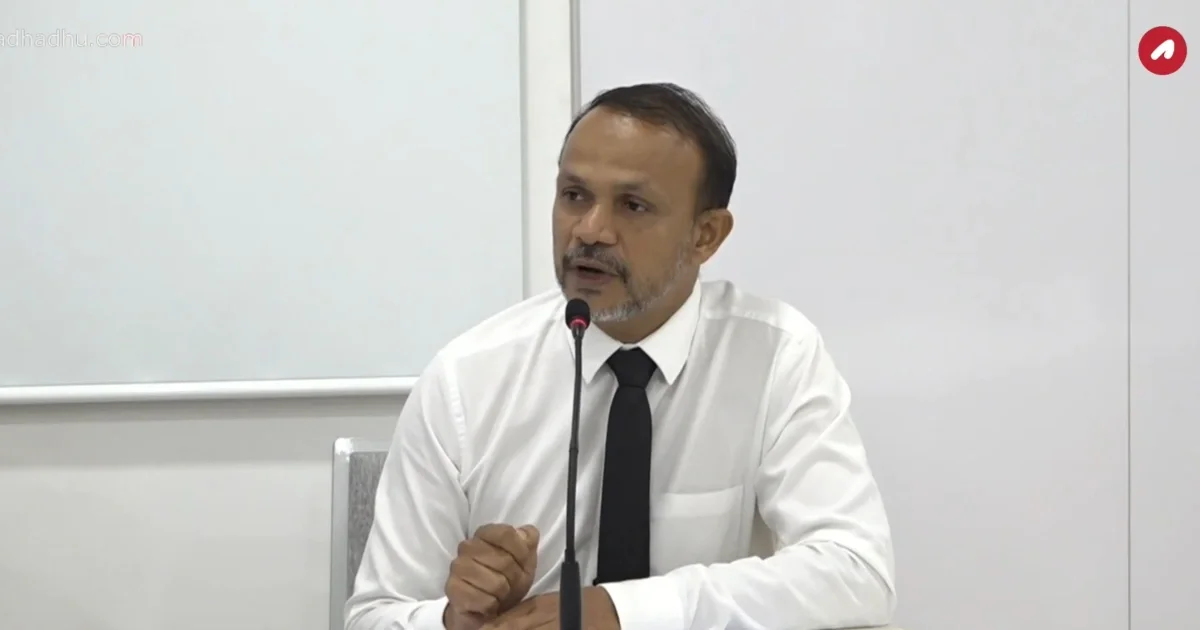
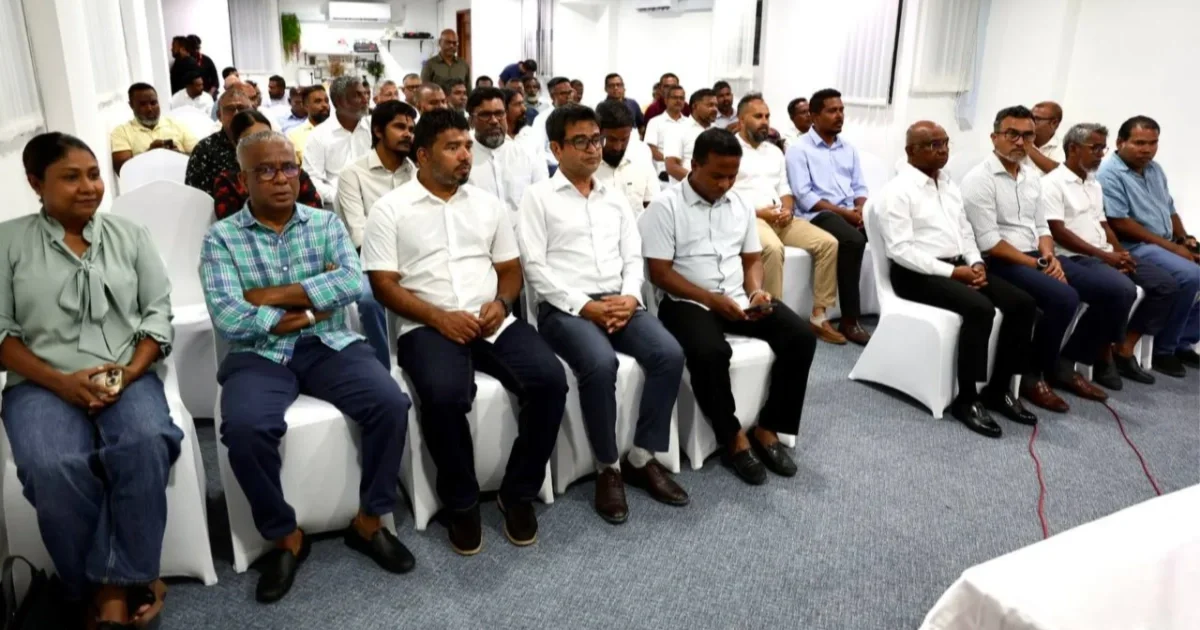
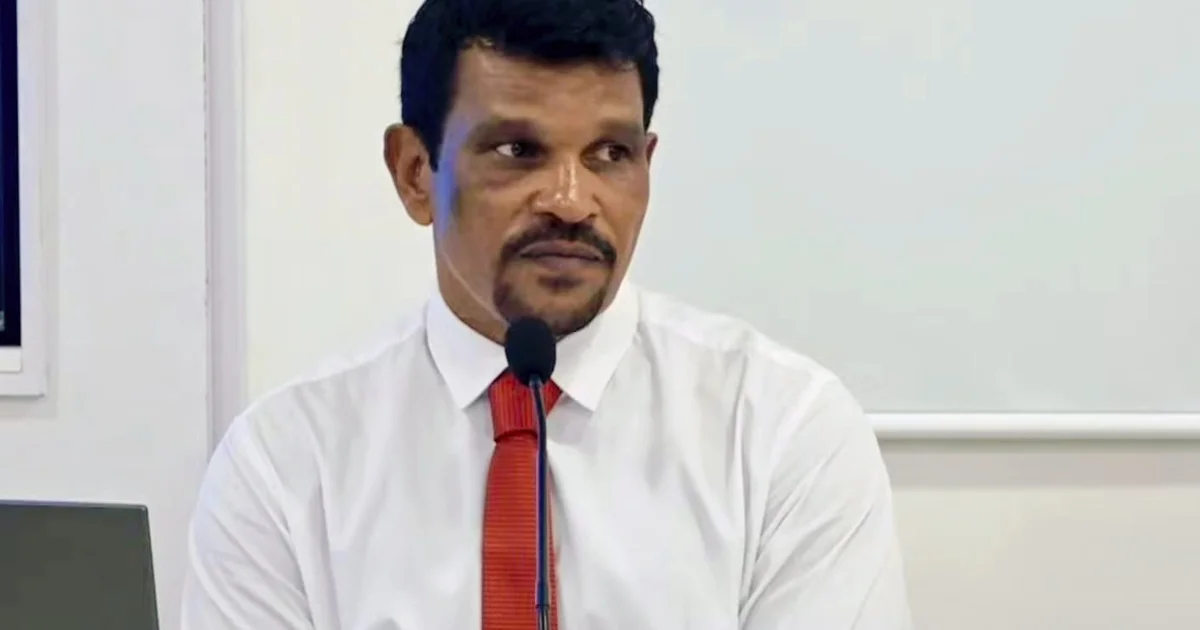
Speaking at the inaugural forum organised by the "Dhiveheen'ge Bin Dhiveheen'nah" (Maldivian Land for Maldivians) movement, Zariyand stated that beyond the lack of financial gain, the social benefits touted by the government would also take time to materialise. He noted that 5,000 housing units cannot be built overnight following a contract signing, nor can a population be settled immediately.
"We won't suddenly have 5,000 housing units ready the day after signing. A massive population will not instantly begin living in Rasmalé; it is a process that requires time," Zariyand said.
Based on Eagle Hills' typical project pace, Zariyand estimated that a maximum of 3,950 units could be constructed within the next 10 years. However, considering the environment in the Maldives, he predicted only about 1,050 units would actually be completed. He further explained that progress would be slowed by the necessity for the developer to invest in and build essential infrastructure for a large township, such as hospitals, schools, and police stations.
Zariyand also raised concerns regarding the nature of the housing units being developed by Eagle Hills. He pointed out that these units are located in an area designated for luxury housing in Phase 3.
Zariyand argued that it remains unclear whether these units are intended for social housing. He also dismissed the government's claim that work starting next year would be completed by 2028 as unrealistic.
Furthermore, Zariyand estimated that dredging 500 hectares for Rasmalé—excluding shore protection—would cost between $272 million and $300 million on average, with the total reclamation cost likely exceeding $700 million. He noted that since the government is also granting 10 percent of the highly valuable land in Hulhumalé as part of the deal, the state stands to make no profit from the project in the coming decade.
"We estimate that the actual returns will be $300 million lower than government projections. Considering the costs of reclamation and the land given from Hulhumalé, I do not believe the government will recover its investment from these flats within the next 10 years," Zariyand said.
Zariyand concluded by calling for an investigation into the financial transactions related to the project and urged a closer look at the reality behind the government's claims.