A constitutional challenge has been filed with the Supreme Court seeking to nullify the government's decision to lease reclaimed land from the Fushidhiggaru lagoon project to a UAE-based company for 99 years, alleging the move is unconstitutional.
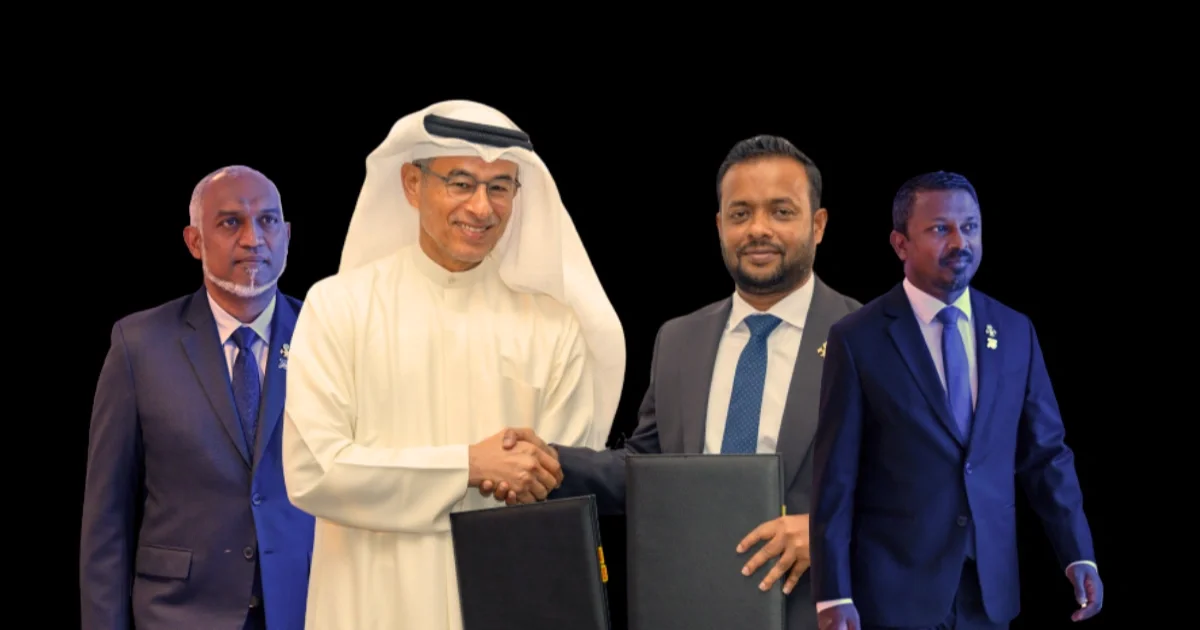
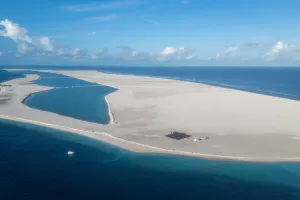
Of the 1,010 hectares being reclaimed under the "Rasmalé" project, 500 hectares have been allocated to Eagle Hills. The company has already commenced marketing and selling apartments on the island, which are designed to offer permanent residency to foreign tycoons.
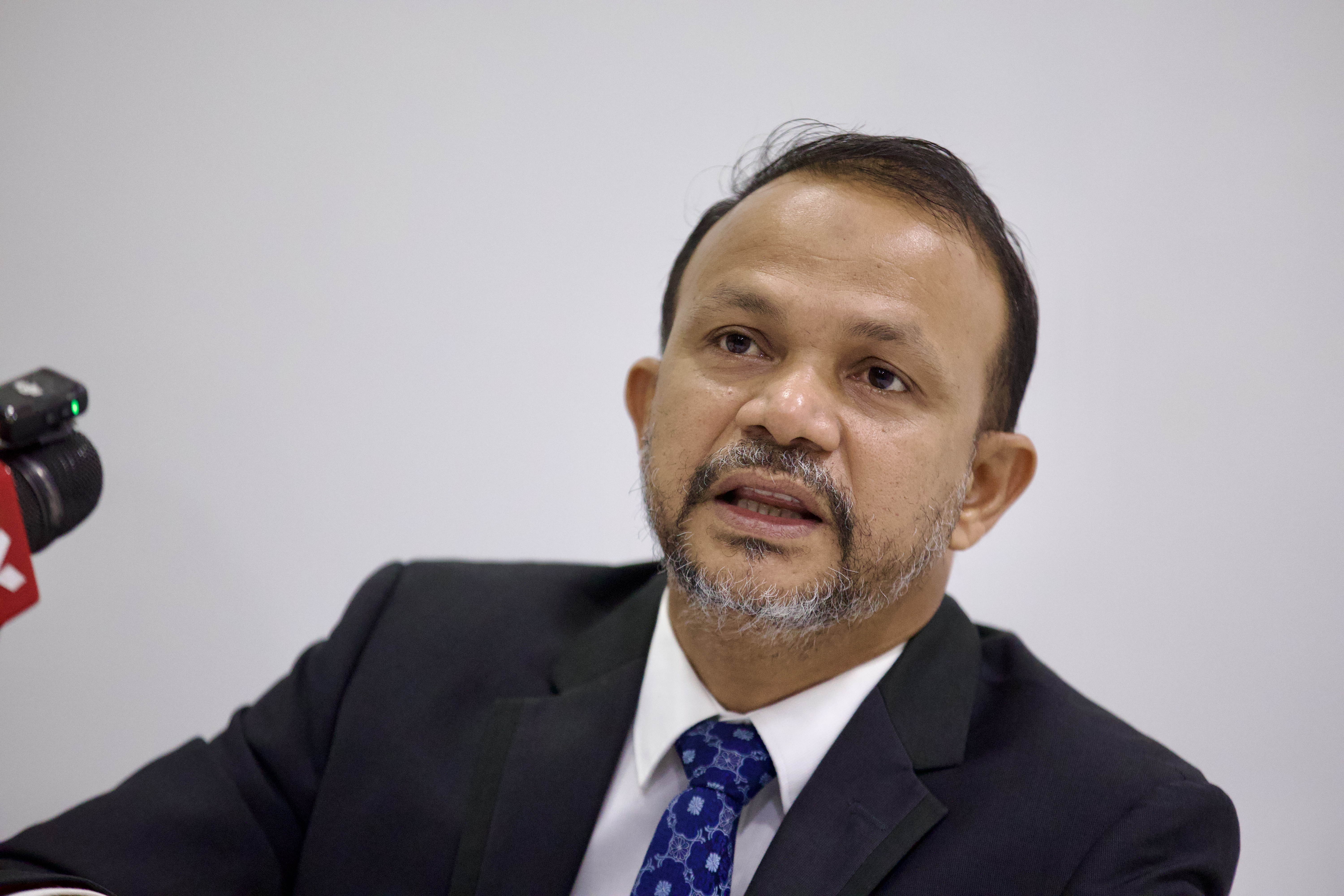
In the petition submitted to the Supreme Court, legal counsel Ali Hussain argues that the government’s decision to grant 500 hectares of Rasmalé land to Eagle Hills for a 99-year term violates Article 250 of the Constitution.
The lawsuit further contends that a clause in the agreement—which stipulates that if properties developed in Rasmalé are sold or inherited by third parties, those parties would receive an additional 99-year lease—directly conflicts with Article 251(b) of the Constitution.
"In light of Article 268 of the Constitution, which mandates that any act in contravention of the Constitution is void, I request the court to declare the said agreement and the decision to enter into it as null and void," Ali Hussain’s filing stated.
Ali Hussain has also requested an injunction against the Maldivian government, seeking to suspend the agreement with Eagle Hills until the Supreme Court reaches a final verdict. The injunction seeks to prevent the government from taking any action that would create rights or interests for Eagle Hills or any third party over any portion of the Rasmalé land under the current agreement.
The government signed the undisclosed agreement to hand over Rasmalé to Eagle Hills last Monday. While the administration withheld the full details of the contract, it confirmed that the land was leased for 99 years. The land was granted entirely free of charge, with no lease acquisition cost or rent imposed.
Despite facing intense public criticism over the deal, the government has defended the transaction as a sound economic move. Officials maintain that the land was allocated under the same general principles used for resort leases and claim the investment will generate unprecedented revenue for the Maldives.
However, critics and the petitioner argue that the legal framework and the specific criteria under which this vast amount of land was signed away remain entirely unclear.