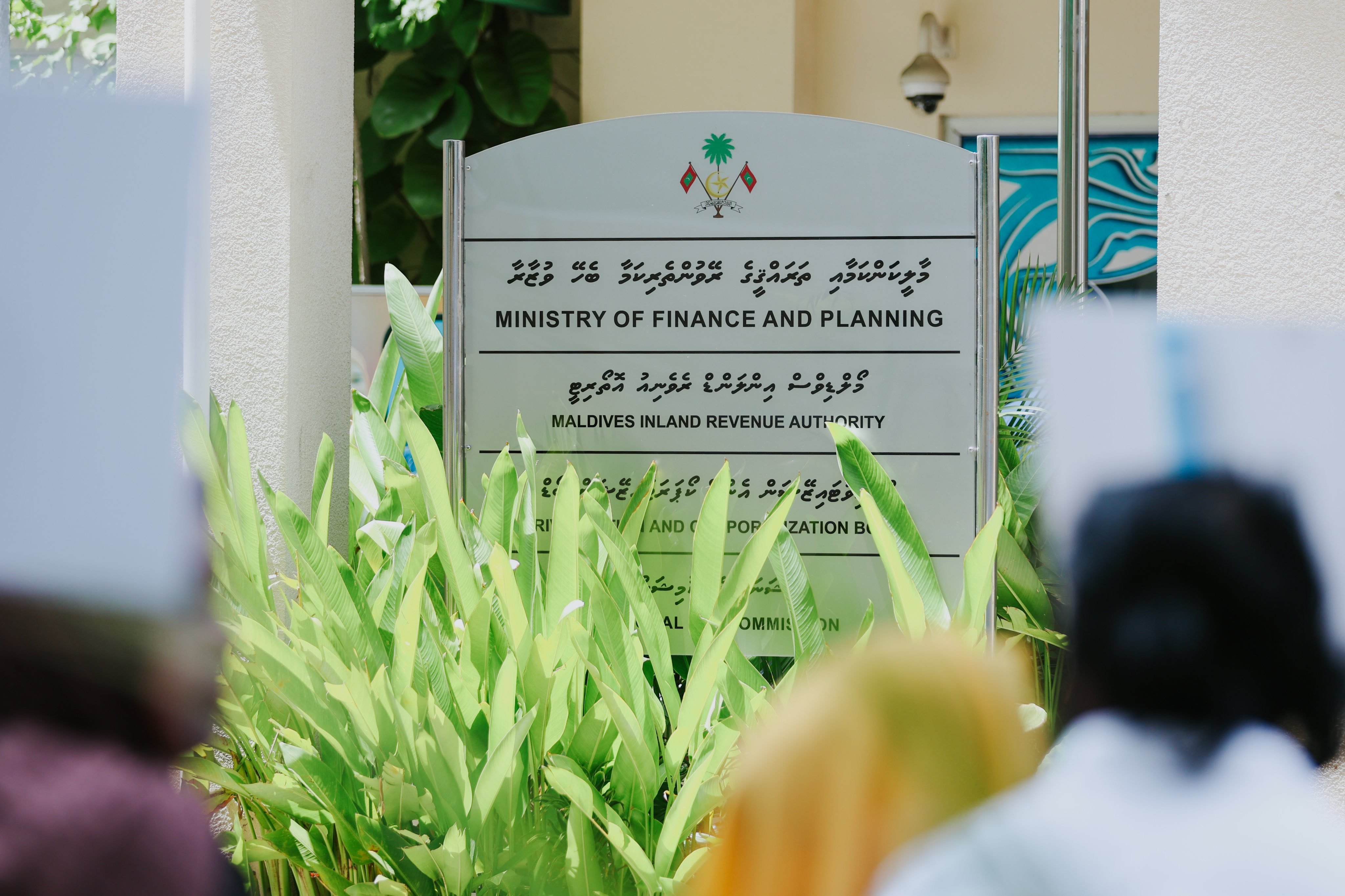
The proposed state budget for 2026 has affirmed the government's abandonment of the plan to switch to targeted subsidies.
Introducing a targeted subsidy system is a key component of the government's reform agenda to implement cost-cutting measures.
This police was floated by the previous government as well. But it was never implemented due to various reasons.
In the state budget for 2025, the government explained the importance of a targeted subsidy system to cut undue benefits for the rich.
"The current subsidy system is burdensome and unsustainable for the government's budget," the finance ministry said last year.
According to the state budget 2025, targeted subsidies will be introduced from April this year by switching to a cash transfer system for households in need.
The government said this would help save MVR 1.5 billion in 2025 and MVR 2.2 billion in 2026.
But the policy has not been implemented, and the Finance Ministry has refused to comment on repeated queries.
Subsidy costs
Electricity
- 2024 - MVR 723 million
- 2025 - MVR 686 million
- 2026 - MVR 730 million
- 2027 - MVR 772 million
- 2028 - MVR 806 million
Food
- 2024 - MVR 469 million
- 2025 - MVR 369 million
- 2026 - MVR 344 million
- 2027 - MVR 350 million
- 2028 - MVR 356 million
Sewerage
- 2024 - MVR 155 million
- 2025 - MVR 101 million
- 2026 - MVR 135 million
- 2027 - MVR 135 million
- 2028 - MVR 135 million
Fuel
- 2024 - MVR 1.9 billion
- 2025 - MVR 1.1 billion
- 2026 - MVR 1 billion
- 2027 - MVR 1.1 billion
- 2028 - MVR 1.2 billion
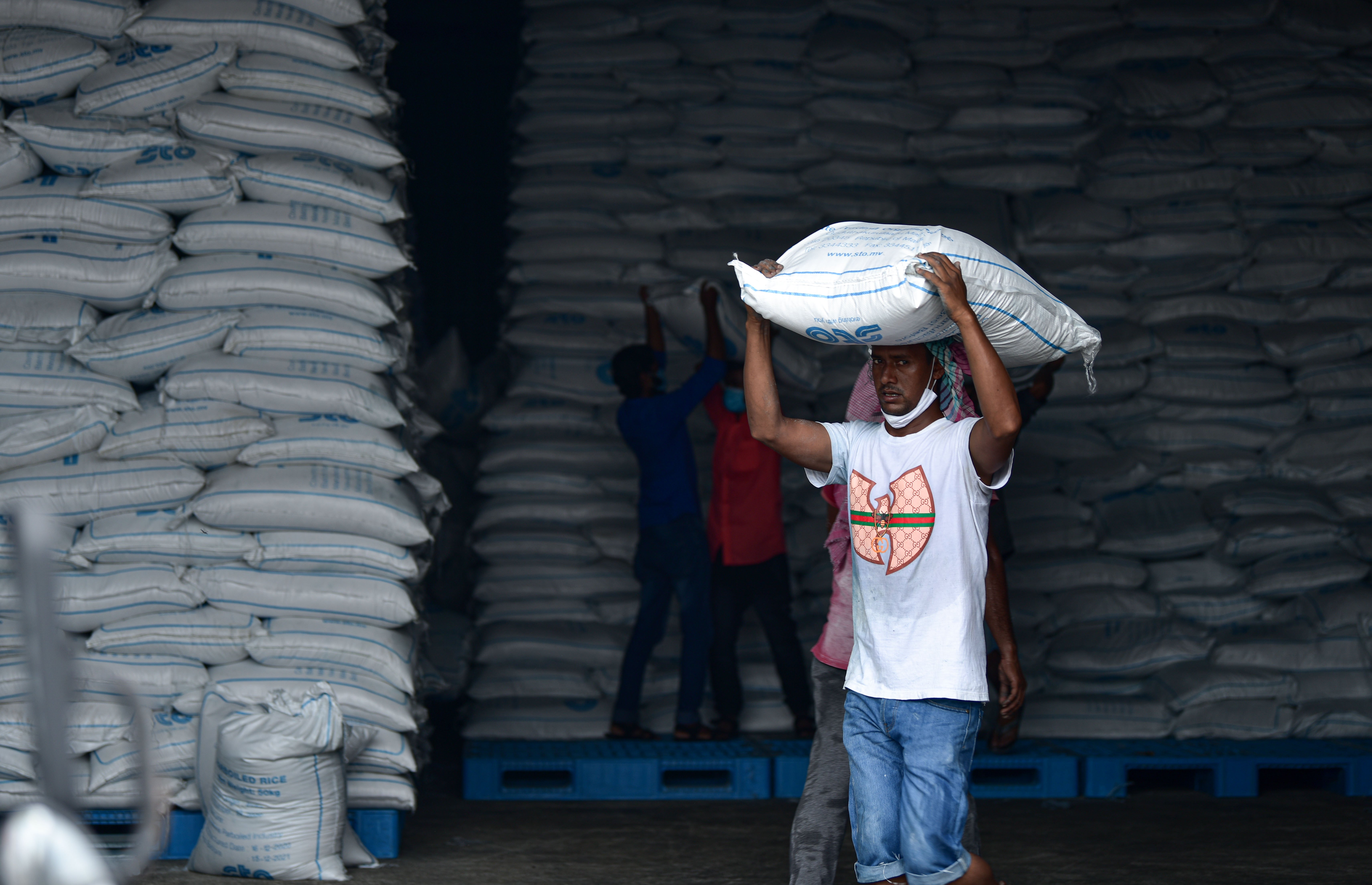
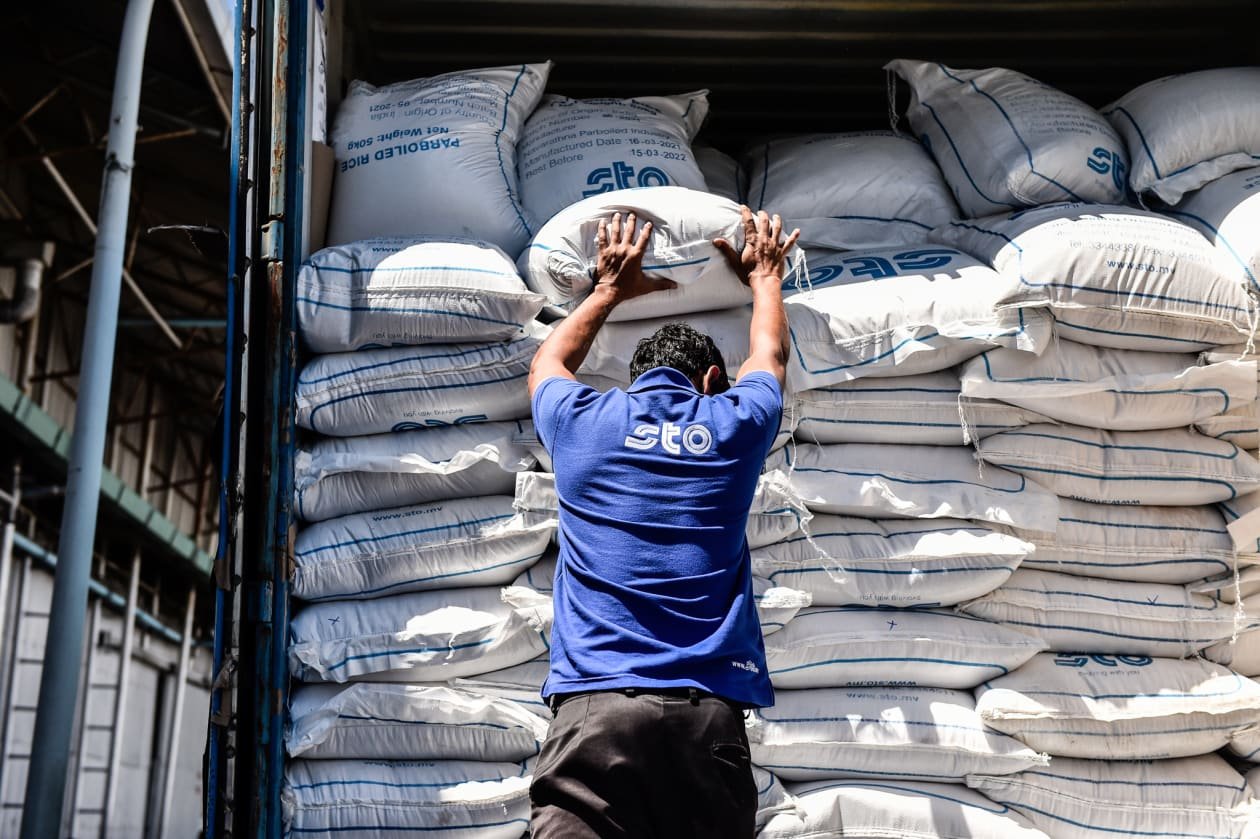
The government said it would target subsidies to reduce the price of electricity, fuel, food and sewerage services.
These subsidies are now paid to the state-owned enterprises that provide the service or goods.
The subsidies are budgeted for 2026 and the next two years. However, no amount has been budgeted for a direct cash transfer system.
Meanwhile, the latest World Bank Development Update called for targeting subsidies as outlined in the government’s fiscal reform agenda.