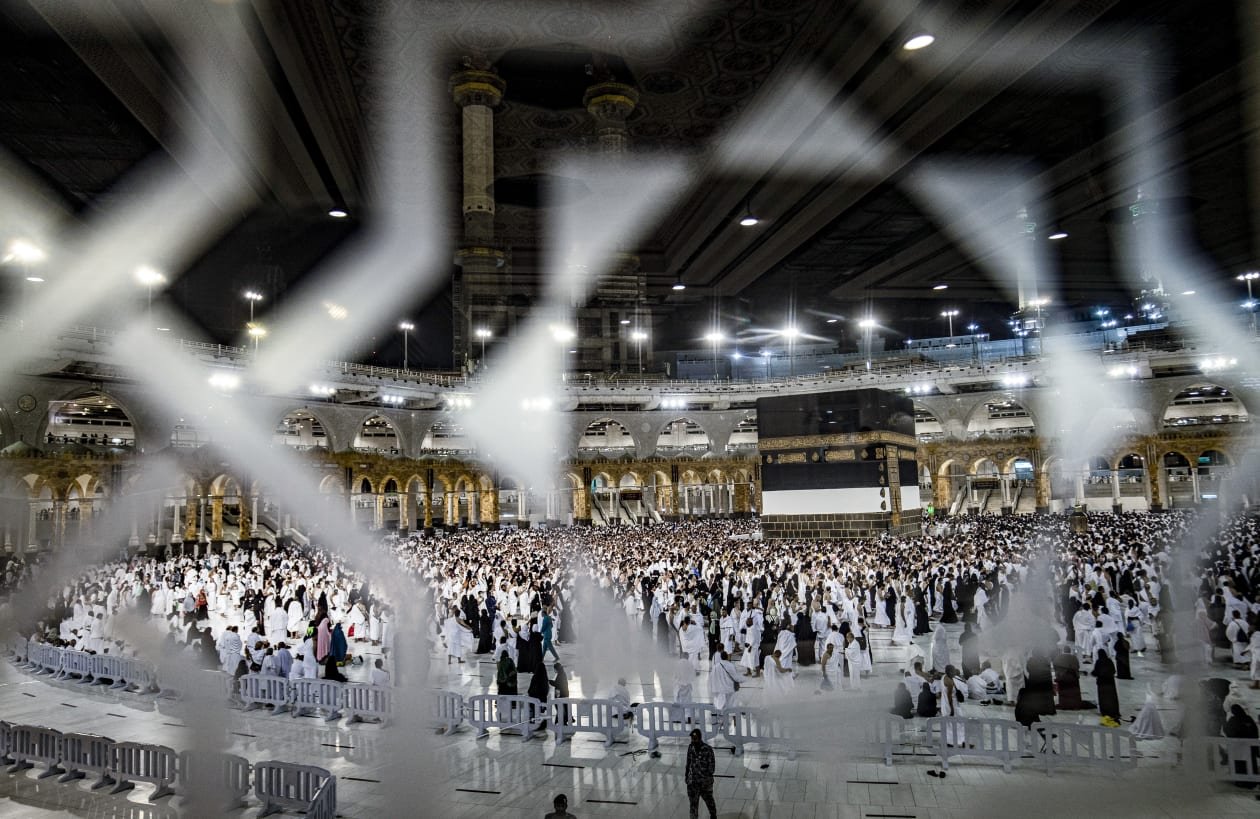
A Maldivian national who returned from Saudi Arabia after the Hajj pilgrimage has been diagnosed with meningococcal disease.
A senior official at the Health Ministry has confirmed the detection of the deadly disease in the Maldives and said contact tracing was underway.
According to the US Centers for Disease Control (CDC), meningococcal disease is a name for any infection caused by bacteria called Neisseria meningitidis.
The two most common types of meningococcal infections are meningitis and bloodstream infections.
With meningococcal meningitis, the bacteria infect the lining of the brain and spinal cord and cause swelling.
Symptoms of meningococcal disease include:
- High fever
- Feeling constantly tired or exhausted
- Pain in joints or muscles
- Headache
- Stiff neck
- Difficulty looking at bright light
- Vomiting with dizziness
- Diarrhea
- Red or dark purple rashes
- Cold hands and feet
- Excessive drowsiness
- Confusion
Infants, teens and young adults older adults, smokers and people with respiratory issues have the highest risk of the disease.
Meningococcal disease, which can be life-threatening if not treated early, can be prevented by vaccination.
The bacteria, which is only found in humans, cannot be easily transmitted. It is transmitted by close and lengthy contact with an infected person.
People spread meningococcal bacteria to others by sharing respiratory and throat secretions (saliva or spit).
Some people experience long-term health problems after recovery from meningococcal disease.
One in five people with the disease suffer from hearing loss, vision problems and fits, as well as lifelong brain damage caused by the disease.