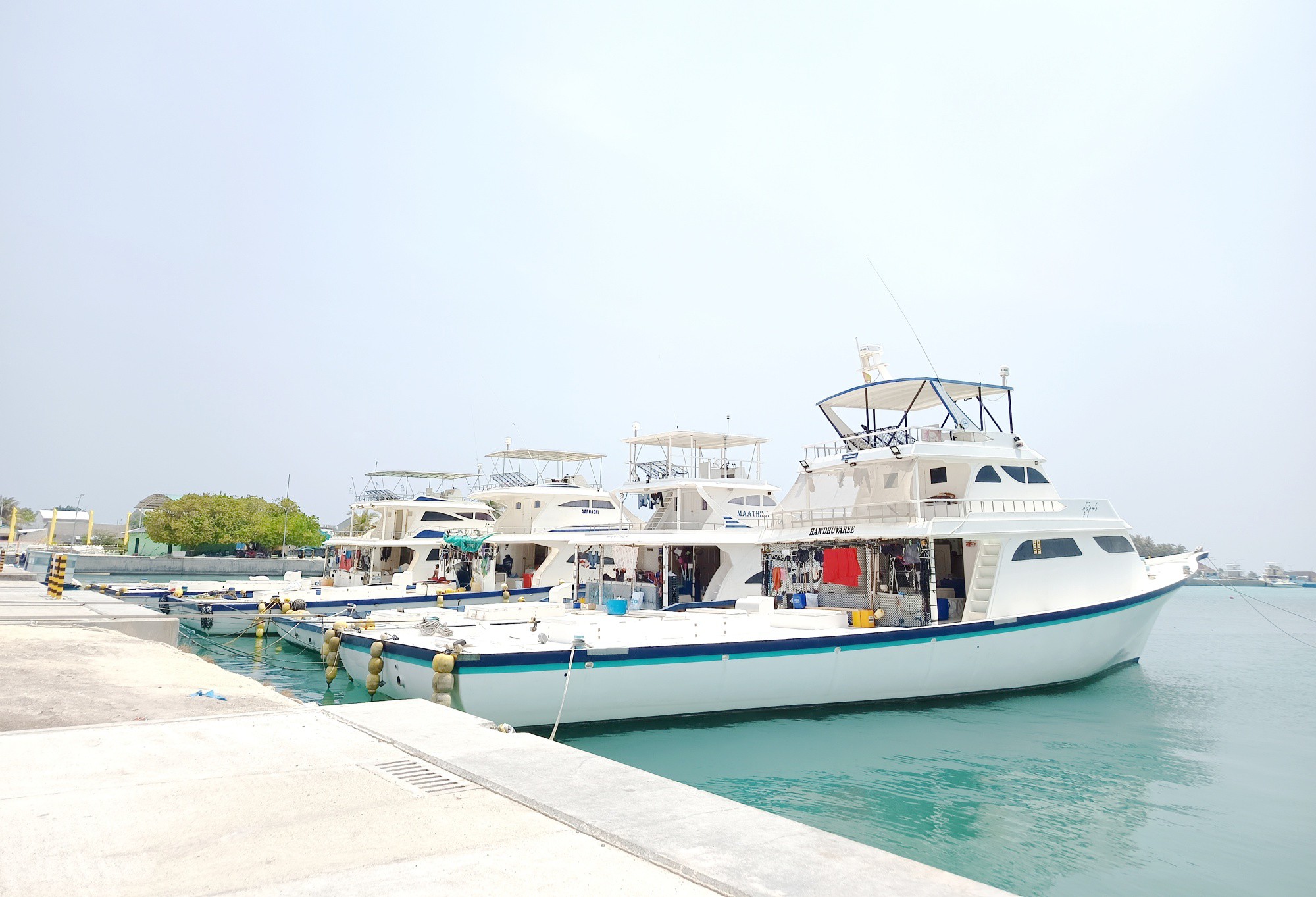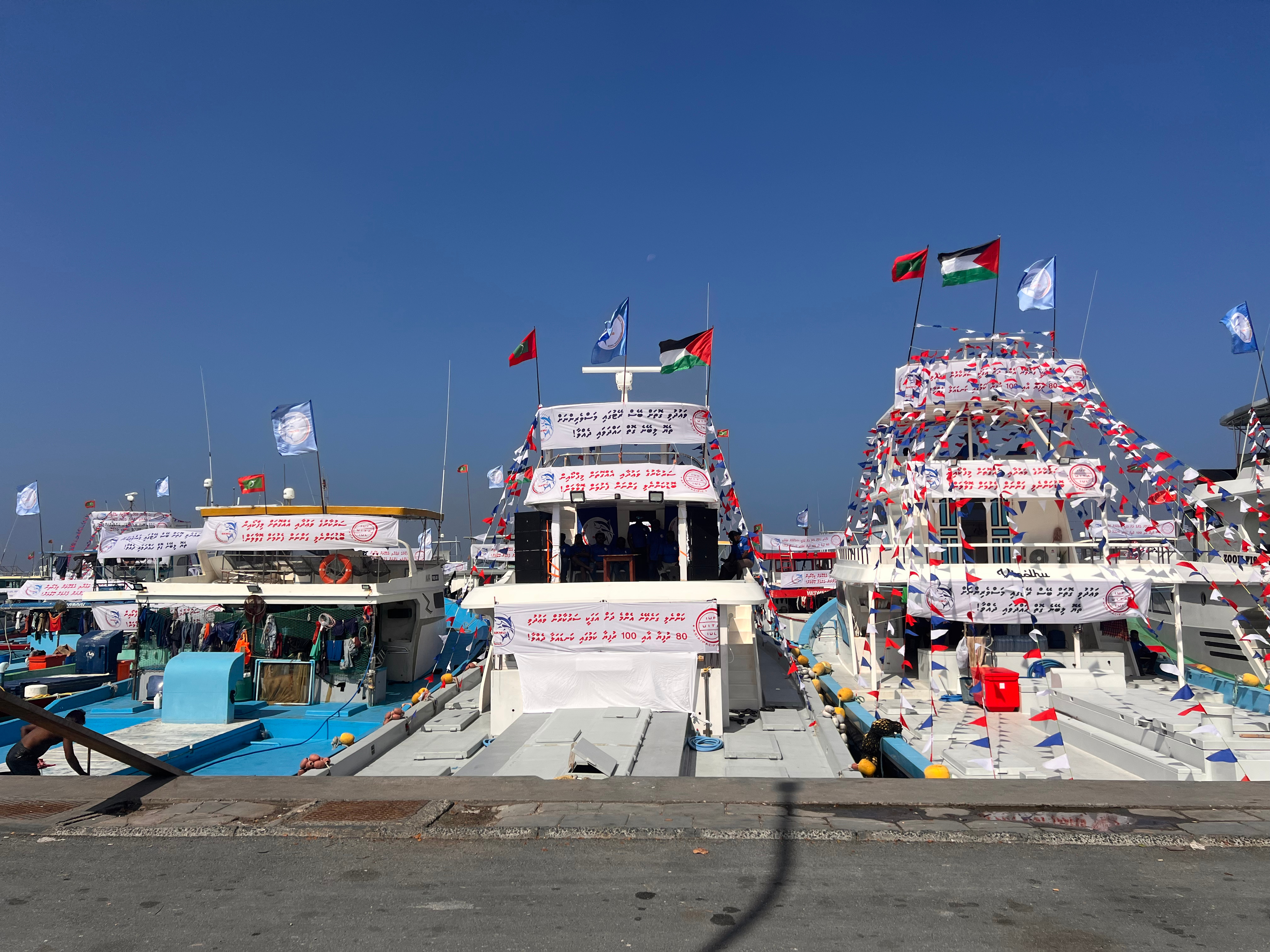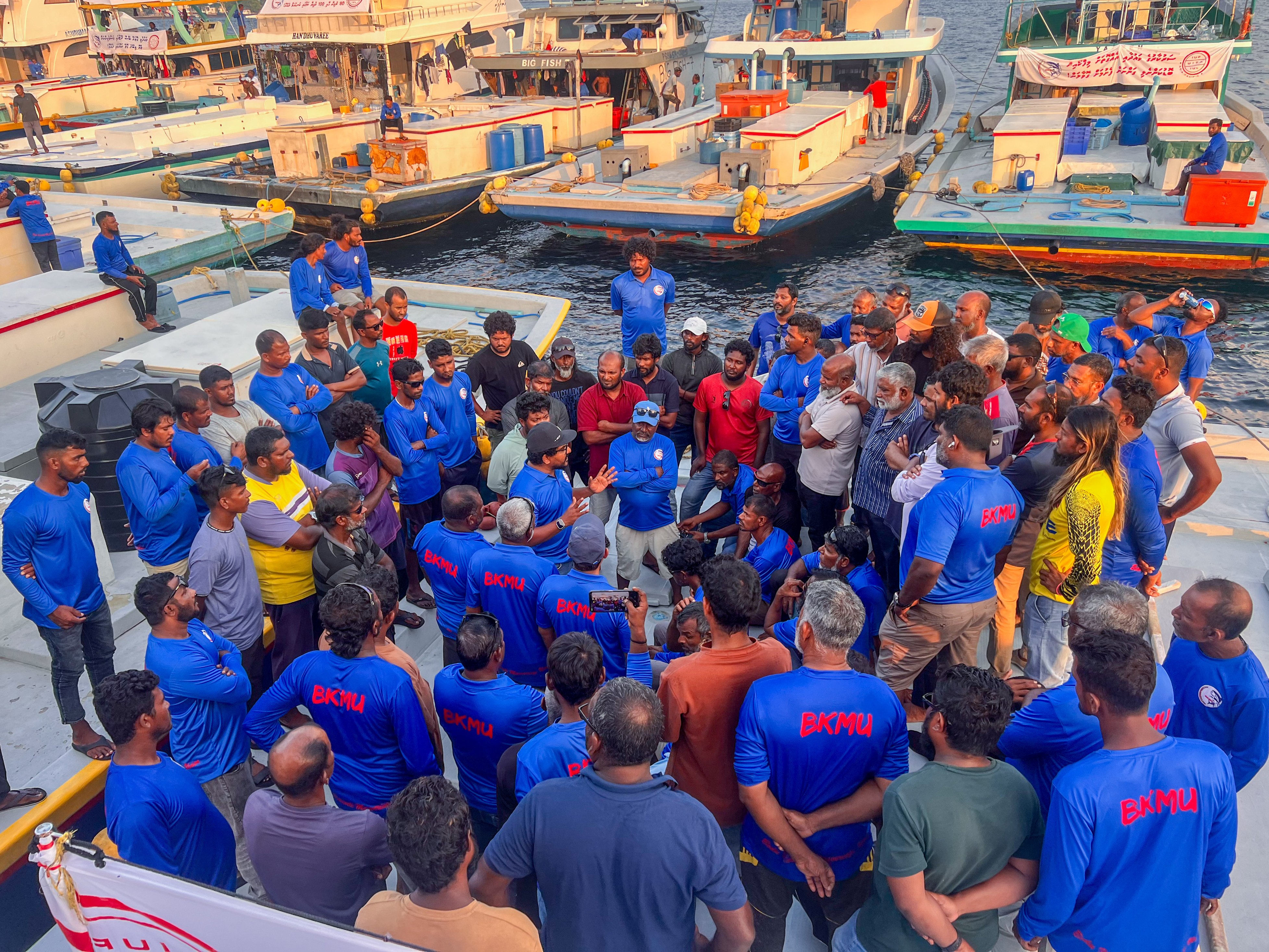
A World Bank report has recommended four options for saving the 100 percent government-owned Maldives Industrial Fisheries Company (MIFCO) from a debt of nearly MVR 2.5 billion.
The perennially indebted MIFCO was recently reverted from a State Trading Organization (STO) subsidiary to a separate company by the current government. MIFCO had always operated at a loss as a result of providing fuel subsidies for fishers and buying fish above world market prices.
MIFCO’s financial situation has been a longstanding concern, the World Bank’s ‘Maldives Country Environmental Analysis - Towards A More Sustainable And Resilient Economy’ noted.
The company could have been profitable but became indebted due to falling tuna prices, rising fuel costs and high interest rates on its loans, the report stated. The government has to bear responsibility for the debt but steps taken so far towards profitability have not succeeded, the report noted.
The company’s finances did not improve either when MIFCO was divided into three entities with factories as separate companies during former President Mohamed Nasheed’s government or when it was brought under STO, it noted. MIFCO’s finances deteriorated further due to raising the price of fish in order to “protect the interests of fishers” and extremely high operational costs, the World Bank said.
Despite the expansion of facilities with the aim of increasing fish exports, the report advised that MIFCO could not be profitable due to organizational inefficiencies and exports to intermediary markets instead of direct-to-destination markets.
The World Bank proposed four options for restructuring MIFCO in order to ensure viability.
Maintaining MIFCO under STO
The report proposed keeping MIFCO under STO and expanding value addition capabilities. The company’s revenue could grow 30 percent by Increasing canned tuna production after reducing frozen tuna exports.
But challenges to implementing this policy include MIFCO’s high operational costs and the lack of access to export fish to European and American markets.
MIFCO privatization with direct subsidy to fishers
Based on the company’s history and experience, important matters should be taken into consideration before privatization, the World Bank said. The questions include whether MIFCO should be privatized as a single entity or as multiple companies and considering whether market value could be elevated by selling shares to the public.
In addition, whether the new private enterprises would be required to purchase fish catch at the rate determined by the government should also be considered, the World Bank said.
Well-executed privatisation could resolve the company’s financial difficulties and relieve the government of the debt burden, the World Bank said.
However, as privatization would reduce the fish purchasing price, fishers would have to be directly subsidized in order to ensure that they receive the government price.
Selling MIFCO’s shares to the public
MIFCO could be operated under a fully independent management after listing it as a public limited company on the stock exchange, the World Bank advised. The full focus of this restructuring would have to be on reducing costs and strengthening operational efficiency. The sale of shares to private investors was also proposed after the company streamlines operational costs.
"Politically, this avenue might encounter fewer obstacles as there seems to be a prevailing consensus in favor of such a transition. This hands-off approach allows the government to mandate purchases at prices surpassing the floor rate without involving itself in day-to-day management," the report stated.
“However, this might temper the government’s ambition to entice substantial private investment.”
Dividing fish purchasing and commercial operations
As the last option, the World Bank recommended dividing MIFCO’s two main operations, which are purchasing fish and exporting fish and fisheries products. The public procurement company could provide cold chain services whilst the other company could handle processing, canning, and exporting fish.
This would separate MIFCO’s social responsibilities and commercial pursuits and ensure that fishers earn a more equitable share of the industry’s net revenue, the World Bank said.
The fish purchasing company would become a monopoly and the primary supplier of tuna to all processing and canning businesses in the Maldives. Projects started by the government to expand cold storage facilities would also reduce storage expenses and fish wastage.
Each of the options should be meticulously evaluated and both the financial and social impacts should be taken into consideration, the report advised.