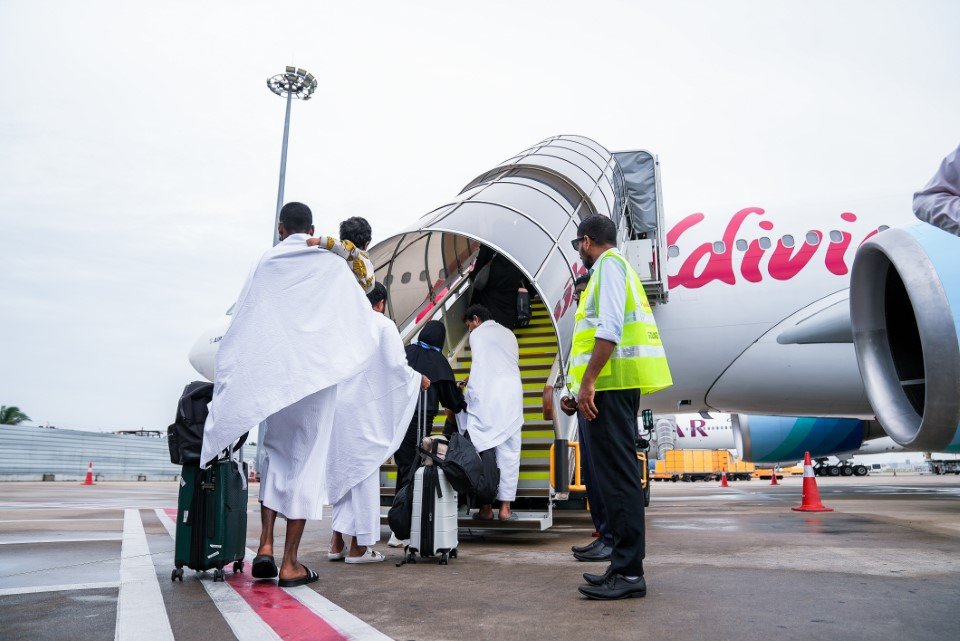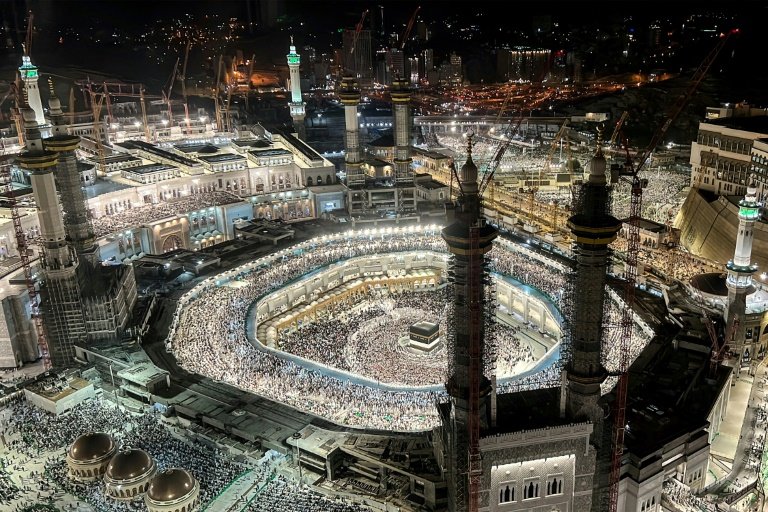
Mecca, Saudi Arabia (June 30) - Tens of thousands of Muslims streamed out of Islam's holiest city on Friday after completing the annual Hajj pilgrimage in Saudi Arabia's summer heat, an AFP correspondent said.
This year more than 1.8 million worshippers performed the Hajj, which is one of the five pillars of Islam and is among the world's largest religious gatherings.
On Friday, two days after the last major ritual, tens of thousands of people packed roads and boarded buses out of Islam's holiest sites in Makkah, bringing the Hajj to a close, the AFP correspondent said.
Farewell 'Tawaf'
They departed after performing a farewell "tawaf" — circling seven times around the Holy Kaaba, the large black cube in Makkah's Grand Mosque. "I am very happy that I finished the pilgrimage safely," said Mohammad Al Bashir, a 47-year-old Tunisian driver who was performing his last prayers on Friday.
This year's attendance figures marked a dramatic increase on the 926,000 from last year, when numbers were capped at one million following the COVID-19 pandemic.
Only 10,000 were allowed in 2020, rising to nearly 59,000 a year later. As hundreds of thousands of Muslim pilgrims walked in the footsteps of the prophets, contracted cleaners in lime-green jumpsuits held out matching plastic bags to collect their empty water bottles. It takes tens of thousands of cleaners, security personnel, medics and others to make the annual Hajj pilgrimage possible for 1.8 million faithful from around the world.
As the Hajj concludes on Friday, the workers will begin a massive, weeklong cleanup effort. The Hajj concludes on Friday, as pilgrims circle the Holy Kaaba for a final time and then depart from the Holy City. Men often shave their heads after completing the ritual stoning of pillars representing the devil, and women cut a lock of hair as a sign of renewal.
Spiritual Journey
Pilgrims insisted the journey was worth it despite the heat. For many Muslims it is the highlight of their spiritual life, a journey that wipes away sin and brings them closer to God. Some spend years saving up money and awaiting a permit in order to go.
pilgrims carried umbrellas and spray bottles, dousing themselves with water and gratefully accepting free drinks handed out along the routes between the holy sites.
Usama Zaytoun, a spokesman for the Makkah municipality, said a total of 14,000 workers are contracted from private companies to clean up during and after the Hajj. He said it takes about a week to clean up after the pilgrimage.
Municipal workers collect the waste and feed it into 1,200 industrial compactors before sending it off to be processed. They spray the streets, campsites and bridges in and around Makkah with disinfectants and pesticides, which Zaytoun says are designed to protect the environment and prevent the spread of disease.
Their efforts do not go unnoticed. Sheikh Dawood, a 40-year-old first-time pilgrim from India, was one of several pilgrims who could be seen giving money to the workers in honour of Eid Al Adha. Other pilgrims offered the cleaners water or a refreshing spray from their handheld misters. "They are doing great job,” Dawood said.
"Their service is excellent. We cannot say it with words. So there should be support for them.” He said they would be even more blessed by God for working in the heat. "I think everyone is very thankful for them,” he added.
This story was produced by AFP.