The World Bank’s executive board on Friday approved a USD 15 million project to strengthen financial sustainability of state owned enterprises (SOE) and the mechanisms that support the competitiveness of small and medium enterprises (SME) in the Maldives.
The Maldives Competitiveness and Growth Project aims to help the government enhance private participation in state enterprises, improve the way these enterprises are governed and reform their public service obligations and subsidies.
This project will also help make SMEs more competitive by improving digital financial systems to make it easier for them to access commercial loans and assisting selected innovative and capable SMEs to enhance their growth trajectory and develop new and climate-friendly products to compete in new markets.
“The COVID-19 pandemic and uncertainty in the global environment have had a profound impact on Maldives’ growth trajectory, affecting both state-owned enterprises and small and medium enterprises across the country,” said Faris. H. Hadad-Zervos, the World Bank Country Director for Maldives, Nepal, and Sri Lanka.
“This project will help expand economic opportunities for the private sector and introduce critical reforms of state-owned enterprises. This will also contribute over time to enhancing the country’s fiscal health.”
Although Maldives is an upper middle income country, its economy relies heavily on a few industries. Economic growth has slowed recently and issues with government spending and debt have worsened.
The country has made some improvements in resolving important economic problems, but more work is needed to bolster economic growth.
The government plans to speed up its delayed efforts to improve SOEs and help SMEs that face difficult and fast-changing business environment challenges ranging from high transportation costs, skills and employment shortages, limited natural resources, and competition with SOEs.
“The Maldivian government is implementing a comprehensive program to reform state-owned enterprises and is focusing on strengthening the private sector through regulatory reforms, better access to finance and public procurement opportunities,” said Suhail Kassim, World Bank Senior Economist and Task Team Leader.
“The project will support these much-needed initiatives to help revive overall economic growth and competitiveness.”
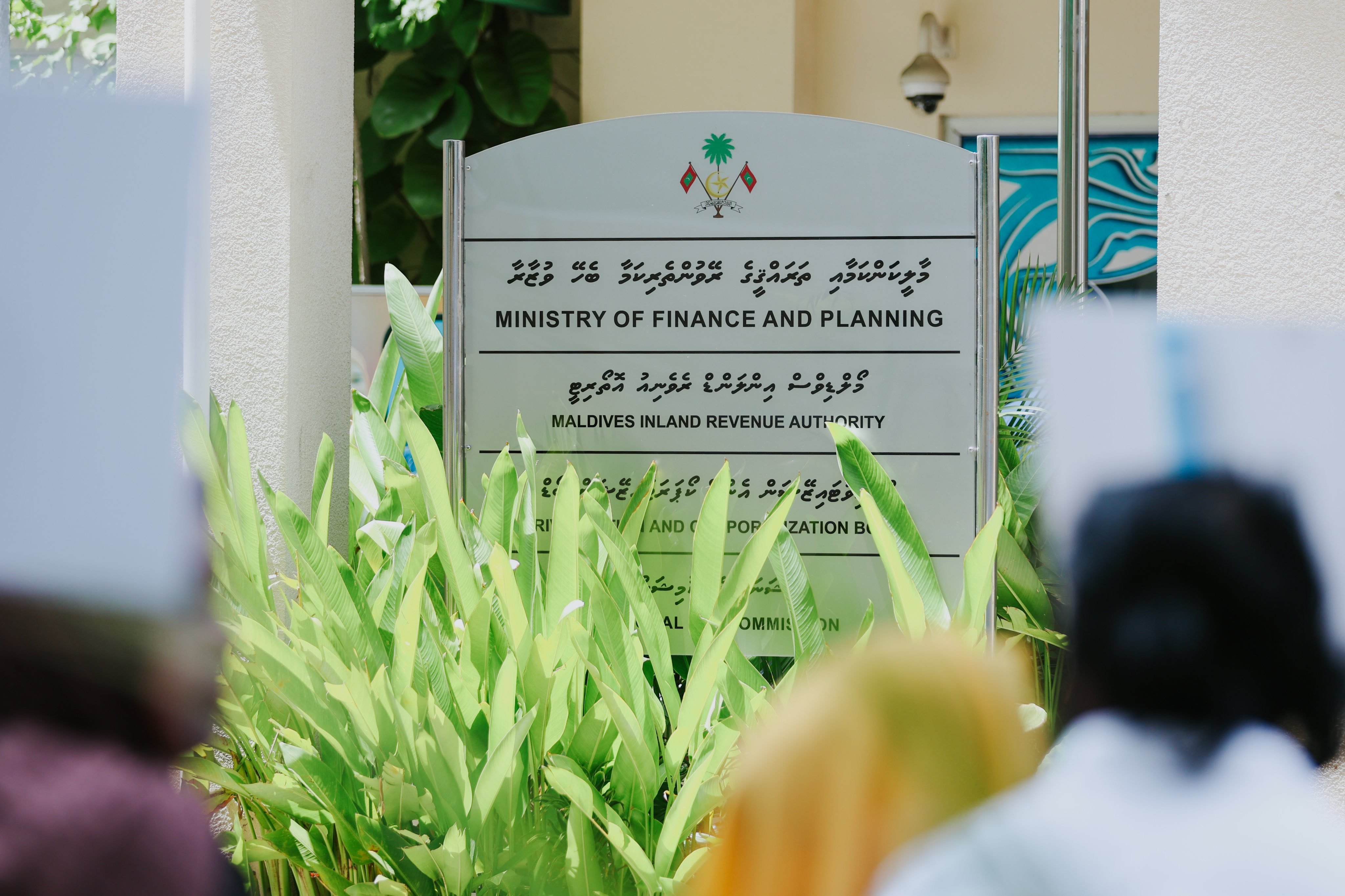
The project will be implemented by the Finance Ministry. The total financing is USD 15 million, which is a USD 7.5 million grant and a USD 7.5 million credit from the International Development Association (IDA), the World Bank’s concessional credit window for developing countries.