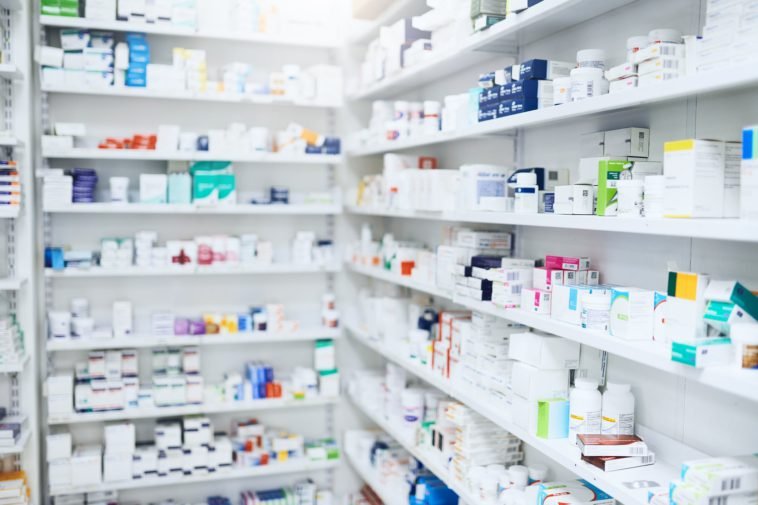
Some 3,100 bottles of a liquid cetirizine brand that was banned for import and sale after the detection of dangerous chemicals in a batch last month had been imported in 2021, the Health Protection Agency (HPA) has said.
The Maldives Food and Drug Authority (MFDA) banned 5ml/5mg cetirizine of the Alegro brand manufactured by the Pakistan laboratory Pharmix on November 12 after the chemicals "diethylene glycol" and "ethylene glycol" were detected in a batch.
On November 27, the MFDA also banned the sale of an antiemetic medicine called amidone suspension manufactured by Pharmix after the same chemicals were found. The entire Pakistani brand was banned in the Maldives.
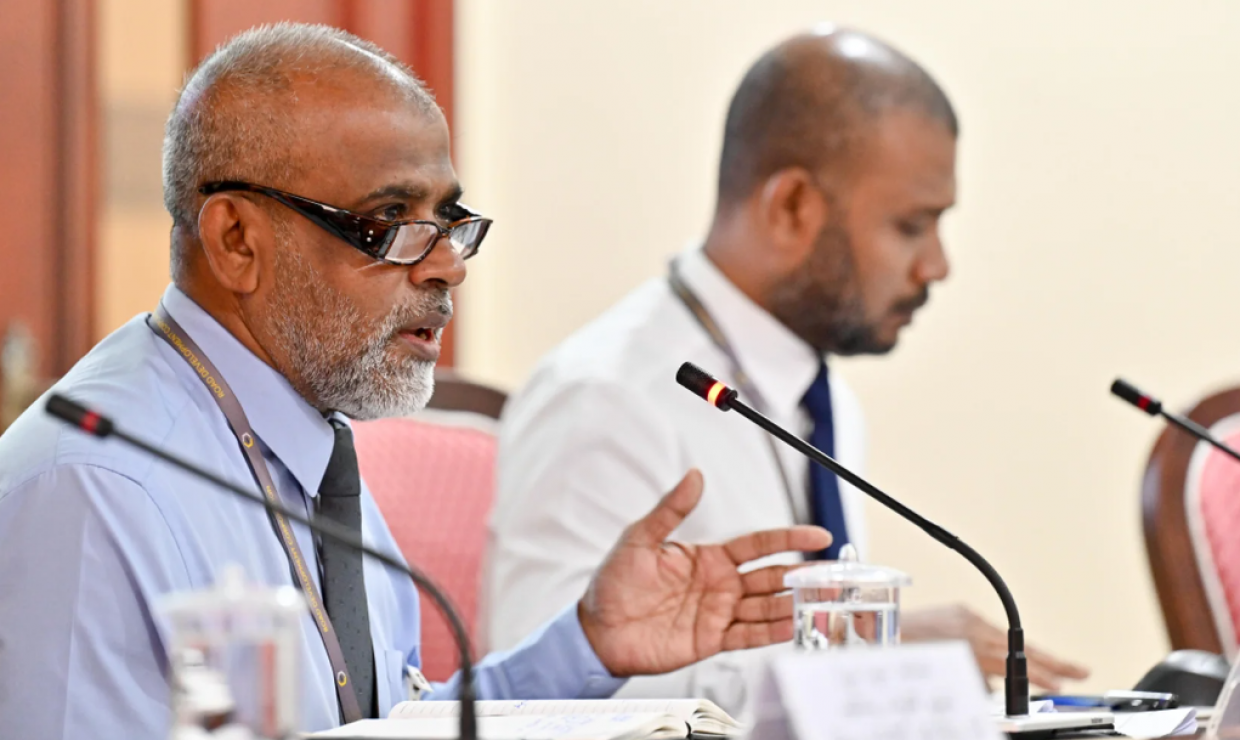
Speaking at a meeting of Parliament's human rights and gender committee meeting on the issue, a senior HPA pharmacist said the World Health Organization (WHO) first issued an alert about a dangerous chemical in the medicine in October last year.
The agency has been working since then to ensure that none of the medicines listed in the WHO alert were imported into the Maldives. Regulations were also enacted to require testing before medicine is allowed into the country, the official noted.
However, the medicine with the dangerous chemicals were brought into the country before the regulations came into force.
The chemicals "diethylene glycol" and "ethylene glycol" found in the banned medicine are prohibited in the manufacture of medicine, the MFDA said, noting that 0.72 percent of the chemicals had been detected in the banned oral liquid cetirizine of the Alegro brand.
The medicine with the chemicals has been identified and removed from all pharmacies and warehouses in the Maldives, the HPA assured. However, as some resorts operate clinics without registration, the agency said it faces difficulties in inspecting such places to remove the medicine.
The danger of the chemicals contained in the medicine is most severe for children. The MFDA said it was checking to see if the medicine had been issued through Aasandha for a child.
Difficulties were faced because the medicine had been available over-the-counter without a prescription, but the MDFA said there has not been any reports so far about the medicine causing harm to a child.
Dr. Nazla Rafeeq who briefed the committee on behalf of the HPA said the use of the medicine could be life-threatening as it causes kidney failure.
"The notable effect within 24 hours of using the medicine is acute kidney injury," Dr. Nazla said.
According to alerts issued by the WHO in the past, possible symptoms of taking medicine with "diethylene glycol" and "ethylene glycol" include stomach aches, diarrheoa and difficulty urinating. Headaches and kidney damage are also among possible effects of the chemicals.